
25Mar 26
In 2025, the gene drive research field was marked by scientific progress, strategic collaborations, and important policy milestones. Together, these developments strengthened the foundations for advancing gene drive research for public health and biodiversity conservation.
Building new partnerships and capacity
Throughout the year, members of the Network built new partnerships and engaged in multiple collaborations. The University of California Malaria Initiative (UCMI) announced a new partnership with the Government of Equatorial Guinea on the sidelines of the United Nations General Assembly (UNGA) which took place in New York City in September – the collaboration will support the implementation of Equatorial Guinea’s Vision 2030 strategy for malaria elimination. Meanwhile, the African Centre for Excellence in Molecular Engineering (ACEME) worked closely with Keele University to train researchers at the University of Sciences, Techniques, and Technologies of Bamako (USTTB/MRTC). This partnership is enabling ACEME researchers to further their expertise in the development of genetically modified mosquitoes as a potential tool to control mosquito-borne diseases. In August, the University of Glasgow alongside partners including the Ifakara Health Institute (IHI) announced the launch of VectorGrid-Africa, an interconnected observatory network designed to improve long-term mosquito monitoring across the African continent.

Researchers from the ACEME team receive a strain of “G3” mosquitoes from Keele University. Photograph: ACEME
Advancing research on new tools to fight mosquito-borne diseases
Mosquito-borne diseases continue to pose a serious global health threat, with challenges such as growing resistance to available interventions and shifting temperatures driven by climate change and exacerbating their spread. In 2024, malaria alone accounted for an estimated 282 million cases and 610,000 deaths according to the 2025 World Malaria report. Dengue incidence has surged globally, with cases reported to WHO increasing from 505,430 cases in 2000 to 14.6 million in 2024.
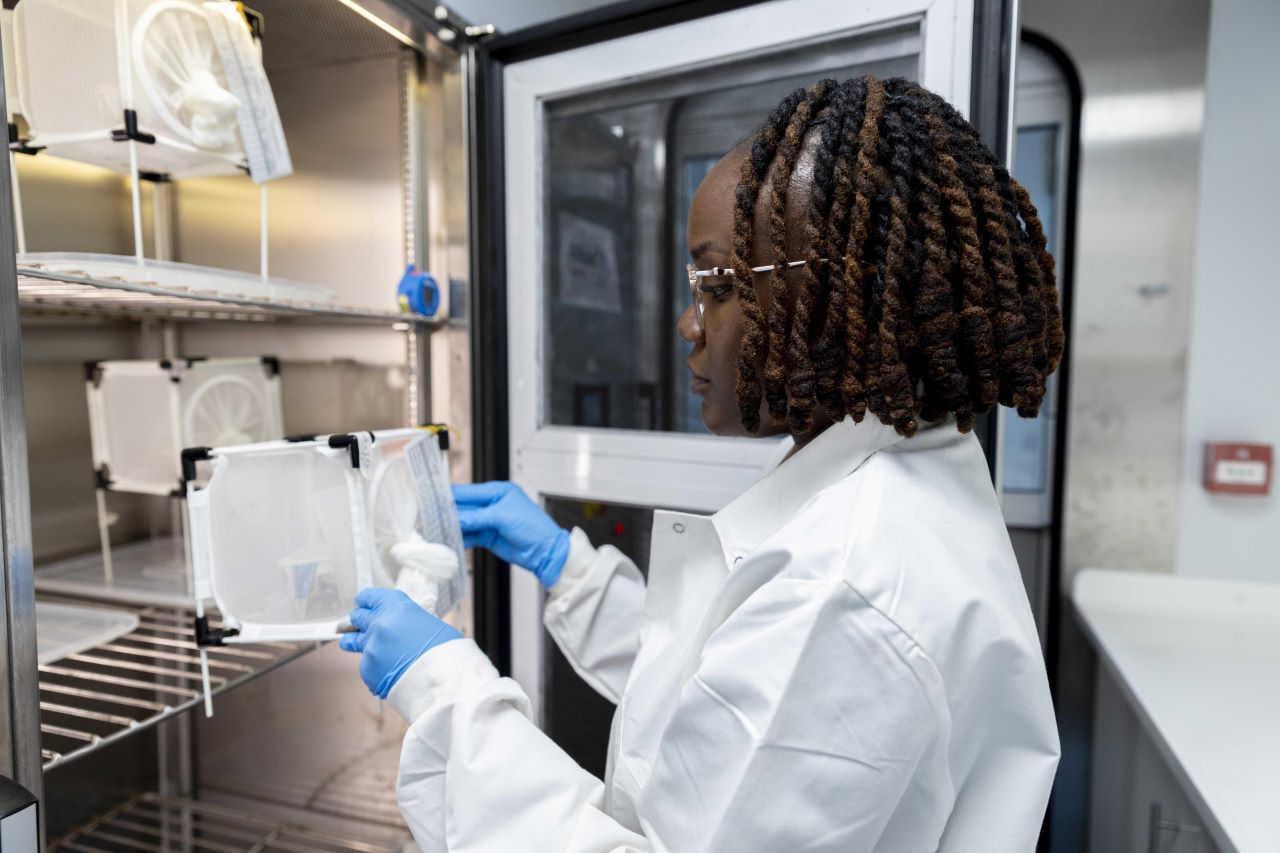
Research Scientist Prisca Kweyamba, Transmission Zero, Ifakara Health Institute (IHI), rearing malaria mosquitoes in IHI’s laboratory in Bagamoyo, Tanzania. Photograph: Transmission Zero
Against this backdrop, members of the Network made significant advances in research to develop new genetic tools that could help control mosquito-borne diseases. Transmission Zero successfully developed genetically modified mosquitoes in Tanzania that can block the transmission of local malaria parasites – a major step forward in the program’s work to develop gene drive mosquitoes to fight malaria in Africa. Earlier in the year, Transmission Zero also published a study exploring a dual-purpose gene drive, as well as research on nanobodies able to block a protein the malaria parasite needs to survive in mosquitoes.
Researchers at the Liverpool School of Tropical Medicine (LSTM), Imperial College London, and Target Malaria advanced research on self-limiting gene drive strategies, while the Champer Lab à l'Université de Pékin published a modeling study evaluating different self-limiting approaches for malaria vector control. At the Akbari Lab, researchers developed “docking lines” in the Anopheles gambiae mosquito to simplify the insertion and testing of new gene drive systems.
Research from the Champer Lab and from the Alphey Lab at the University of York also looked into optimizing gene drive efficiency in Anopheles stephensi, an invasive urban malaria vector that has been spreading across the African continent. Beyond malaria, the Alphey Lab continued their research on gene drive for Aedes aegypti mosquitoes – a known vector of several viruses including yellow fever virus, dengue virus, chikungunya virus, and Zika virus.
Moving closer to potential field trials
Along with laboratory advances, 2025 saw important efforts aimed at laying the groundwork for potential future field trials of gene drive mosquitoes. Target Malaria published a study providing guidance on designing cluster randomized controlled trials (CRCTs) to evaluate interventions aiming to control malaria vector populations. UCMI conducted studies on the ecology and genetics of Anopheles coluzzii mosquitoes – the main vector of malaria in São Tomé and Príncipe – examining their larval habitats as well as the potential ecological effects of gene drive mosquitoes to inform the design of the project’s future field trials.
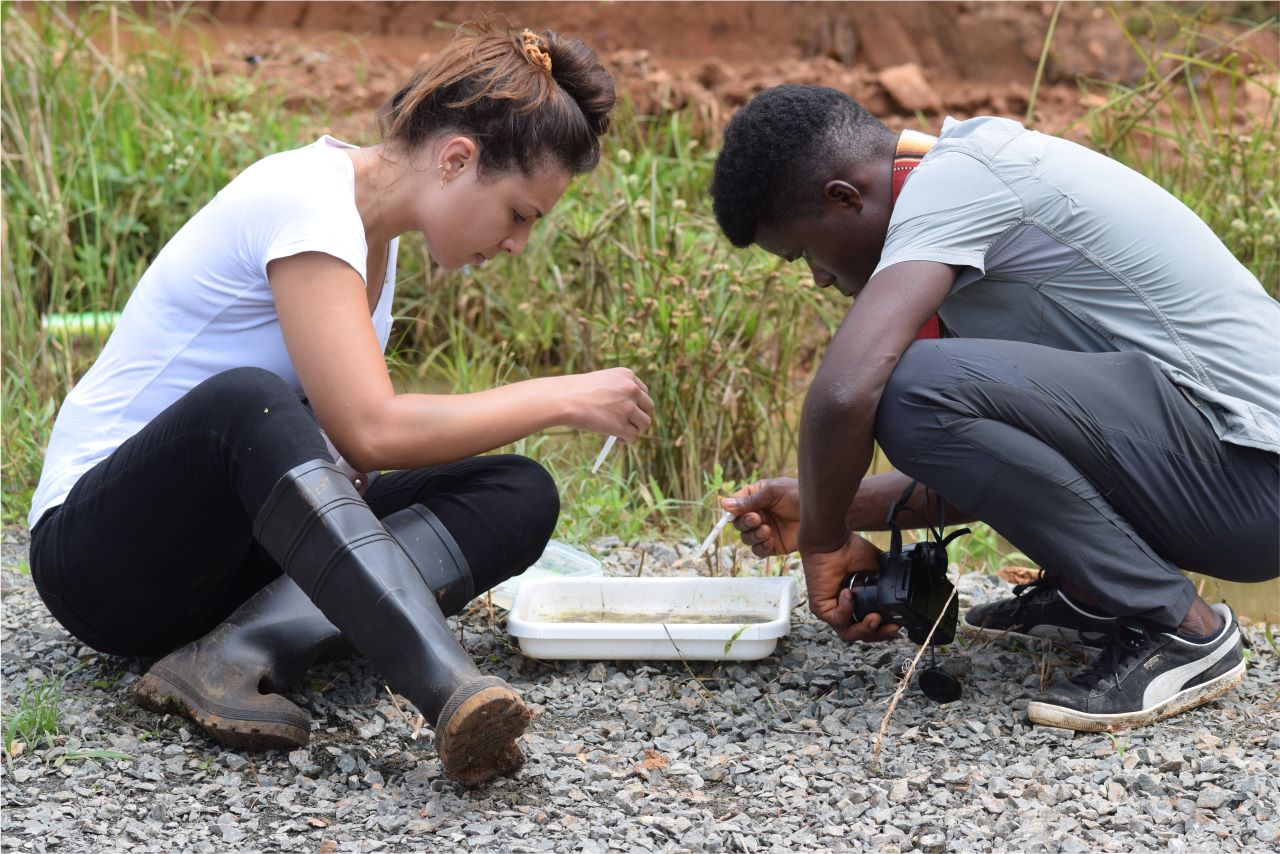
UCMI’s team conducting field activities in São Tomé and Príncipe. Photograph: UCMI
Highlights in biodiversity conservation
Research exploring the use of gene drive technologies for the control of invasive mice has also been progressing. Invasive species, including mice, are a significant cause of species extinctions globally and particularly threaten island ecosystems. A study by researchers from Island Conservation and partners, demonstrated the successful development of a new approach capable of detecting both wild-type invasive mice (Mus musculus) and gene edited mice (carrying a gene drive) from environmental samples.
Island Conservation also co-authored a Nature Reviews Biodiversity paper showing how seabirds connect marine and terrestrial ecosystems, demonstrating how seabird restoration support both island and ocean health. Researchers from the University of Adelaide published a study that found that the release of gene drive mice could serve as a pre-emptive tool against mouse plagues in Australia.
In terms of partnerships, Island Conservation also joined the Global Rewilding Alliance, expanding collaboration to accelerate island restoration and support global targets to restore 30% of the world’s land and seas by 2030. Conservation X Labs joined the Island-Ocean Connection Challenge (IOCC) and committed US$3 million toward restoring at least 40 island-ocean ecosystems by 2030.
On the international stage, an IUCN motion led by Island Conservation calling for a United Nations Decade of Island Resilience was adopted, creating a new platform for Island Nations and organizations to collaborate and highlight the role of restored islands in addressing biodiversity loss, ocean health, and climate resilience. During Climate Week NYC 2025, Revive & Restore launched a US$2 million Biotech for Climate Resilience Fund to support projects helping marine ecosystems adapt to climate change and reported progress in conservation breeding. The organization also announced another major milestone this year: just five years after the birth of Elizabeth Ann, the first black-footed ferret ever cloned, 15 black-footed ferrets now carry once-lost genes from a ferret named Willa, whose cells were preserved in 1988. This marks an important step in the species recovery.
Policy, governance and key reports
2025 was a year of important policy achievements. In October, the International Union for Conservation of Nature (IUCN) adopted its first Policy on Synthetic Biology at the World Conservation Congress (WCC) in Abu Dhabi, a major vote of confidence for responsible innovation and evidence-based decision-making in conservation. The Network organized a discussion panel on the margins of the Congress, where experts from Transmission Zero, Re:wild, the University of Melbourne, and the IUCN Species Survival Commission highlighted the potential of synthetic biology to address conservation challenges. In the lead up to the Congress, the Network also led the campaign: “Conservation Countdown: Powering Transformative Conservation“, showcasing synthetic biology applications that could offer transformative solutions to some of today’s most complex conservation challenges.
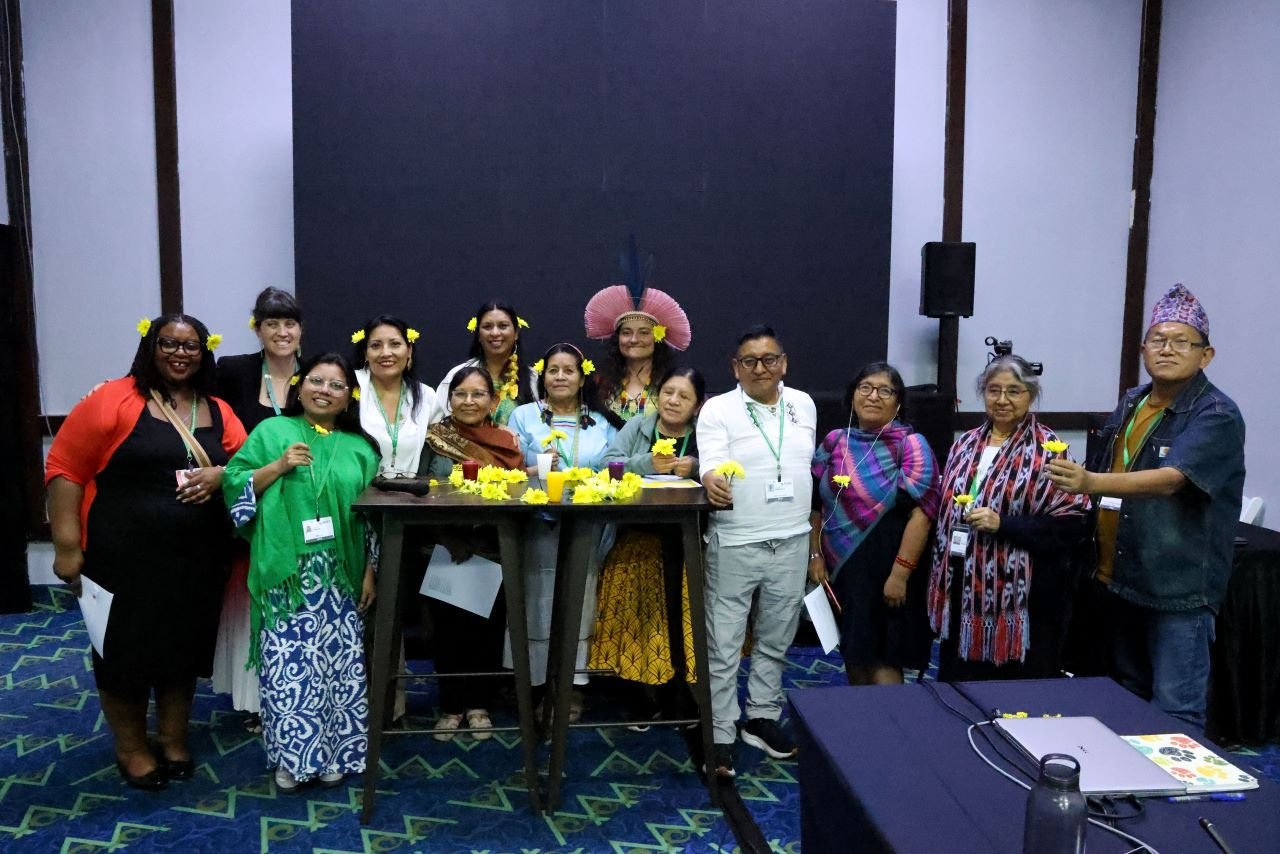
Participants of the “Bridging Worlds: Fostering Dialogue Between IP&LCs and Gene Drive Researchers” event organized by the Outreach Network for Gene Drive Research at the First meeting of the Subsidiary Body on Article 8(j).
Members also continued to engage in global governance processes, including submissions, online discussions and preparatory meetings for the Convention on Biological Diversity’s COP 17, including SBSTTA 27 in Panama. The Network co-hosted a panel at the First meeting of the Subsidiary Body on Article 8(j), which brought together representatives of Indigenous Peoples and Local Communities (IP&LCs) to share about their engagement process with gene drive researchers since 2020, and the resulting preprint publication detailing this multi-step dialogue.
Several important publications shaped the landscape of gene drive research in 2025. Unitaid released a report drawing attention to the intersection of climate and health, and the importance of innovation to address the growing threat of mosquito-borne diseases: the report explores the potential of genetically modified mosquitoes as a new tool to reduce the burden of vector-borne diseases. The African Union’s High-Level Panel on Emerging Technologies (APET) published a report on gene drives for malaria control and elimination in Africa, emphasizing the disease’s severe economic and public health burden and highlighting the need for innovative approaches to complement existing interventions.
Events, webinars, and knowledge-sharing
Throughout the year, members of the Network shared knowledge and fostered dialogue with different stakeholders. In March, the 2nd Global Congress on Genetic Biocontrol Technologies in Accra, Ghana brought together scientists, regulators, and policymakers to discuss emerging tools for vector control and conservation. Around the same time, the Ifakara Health Institute convened a Strategic Scenario Planning Workshop in Bagamoyo, Tanzania, exploring how gene drive technologies could be integrated into malaria control across Africa. On the sidelines of the World Health Assembly in May, Transmission Zero researchers took the stage to highlight the urgent need for new malaria control tools and the importance of community engagement and regulatory frameworks.
The last quarter of the year was particularly active for the Network. It began with a panel at ECTMIH where researchers from the Champer Lab explored practical advances, responsible research, modelling, engagement, and the regulatory frameworks needed for safe and equitable implementation of gene drive technologies.

Panel featuring Dickson Wilson, Transmission Zero, IHI, organized on the sidelines of the World Health Assembly in May. Photograph: IHI
In November, the Network co-hosted a side-event with the Foundation for the National Institutes of Health (FNIH) and the Alliance for Science and Food Integrity (ASFI) de l’ ISBR 2025 Symposium in Ghent, Belgium, to share updates on risk assessment, regulatory considerations, and field trial design as gene drive research advances. At the American Society of Tropical Medicine and Hygiene (ASTMH), annual meeting in Toronto, Target Malaria and the GeneConvene Global Collaborative co-hosted a symposium on lessons from Wolbachia field trials, key design considerations for gene drive releases, and a proposed testing pathway for gene drive mosquitoes in Tanzania. Later in the month, the Network co-hosted a webinar with the International Service for the Acquisition of Agri-biotech Applications (ISAAA) on the potential application of gene drives technologies in public health and conservation, and the governance measures needed to ensure their responsible use.
Spotlighting innovations in health and biodiversity conservation
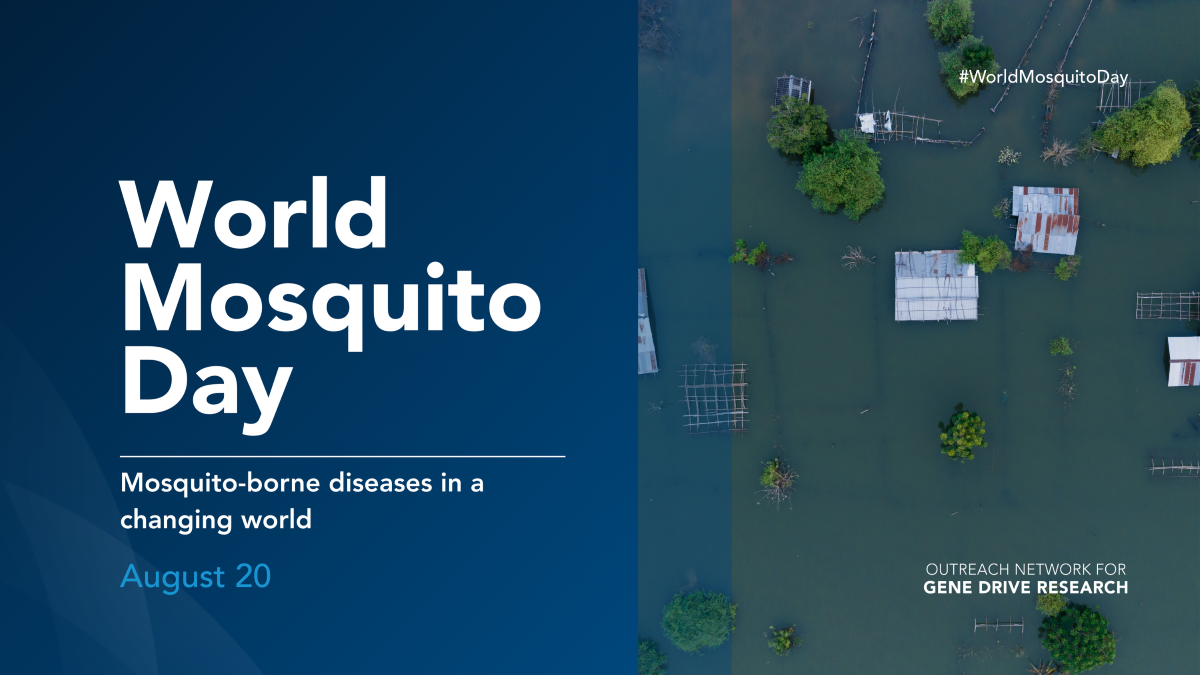
To celebrate World Malaria Day, the Network launched a campaign featuring contributions from over 30 malaria researchers, experts and advocates, highlighting key challenges threatening the malaria fight and innovations that could drive change. For World Mosquito Day, the Network spotlighted environmental and climatic factors influencing the spread of mosquito-borne diseases, sharing insights from researchers and experts on the drivers of change and the need for integrated strategies. The Network also co-hosted a webinar with the Asia Pacific Malaria Elimination Network (APMEN) for the occasion which drew 556 participants from 77 countries.
La International Day for Biological Diversity campaign shed light on innovative conservation efforts that could help us achieve a healthier future for both people and the planet. Under the 2025 theme: “Harmony with Nature and Sustainable Development” the campaign featured expert voices working on new tools to tackle biodiversity and health challenges.
Looking ahead
2025 saw progress in research, partnerships, and policy, laying the groundwork for the development of new solutions for vector control and biodiversity conservation. In 2026, our focus will remain on advancing responsible innovation to benefit communities and ecosystems alike.
