28Sep 26
Community health workers are the critical link between innovation and impact — bringing lifesaving malaria tools and education directly to families’ front doors.
Often traveling long distances to reach remote communities, health workers ensure no one is left behind. By administering tests and providing treatment on the spot, they deliver immediate, lifesaving care if someone in the home tests positive for malaria.
Just as important, they build trust with the communities they serve, ultimately becoming some of the most effective health messengers — relaying vital information about how to properly use and maintain bed nets and the importance of removing stagnant water. And when new tools become available, such as malaria vaccines, community health workers are the ones answering questions, easing concerns, and empowering families to make informed decisions.
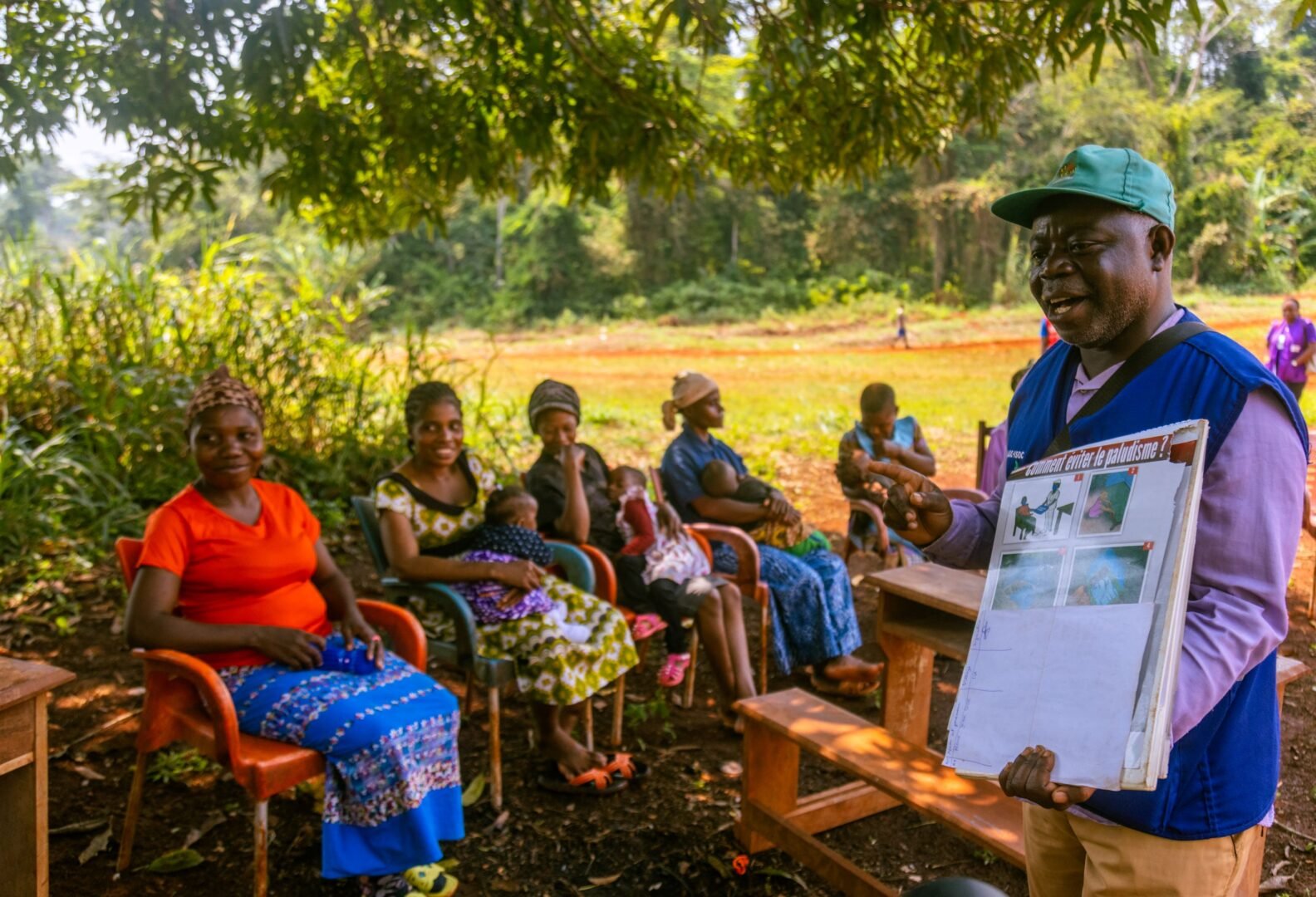
Community health worker in Bertou. Photograph: Yagazi Emezi for Malaria No More.
By closing gaps in coverage and laying the groundwork for new tools, community health workers serve as the bridge between local leadership and global partnerships — essential to delivering impact at scale.
In Cameroon, health workers go door-to-door in some of the hardest-to-reach communities to protect most vulnerable from malaria — from indigenous communities living in remote areas to women and children in high-burden urban neighborhoods. Whether working in the north of the country with support from the U.S. President’s Malaria Initiative, or in other regions supported by the Global Fund to Fight AIDS, Tuberculosis and Malaria, community health workers are key partners in the global fight to end malaria in Cameroon. Working in close coordination with the National Malaria Control Programme at all levels, community health workers provide critical last mile care — collecting valuable data that helps ensure programs are targeted, responsive, and effective in the process. Hear from community health workers across Cameroon to learn more about the challenges they face and the lifesaving work they carryout day after day.
When we go out into the community, we carry out tests. If the test shows malaria, we treat them. — Yvonne Ngo Gwet, Yaoundé
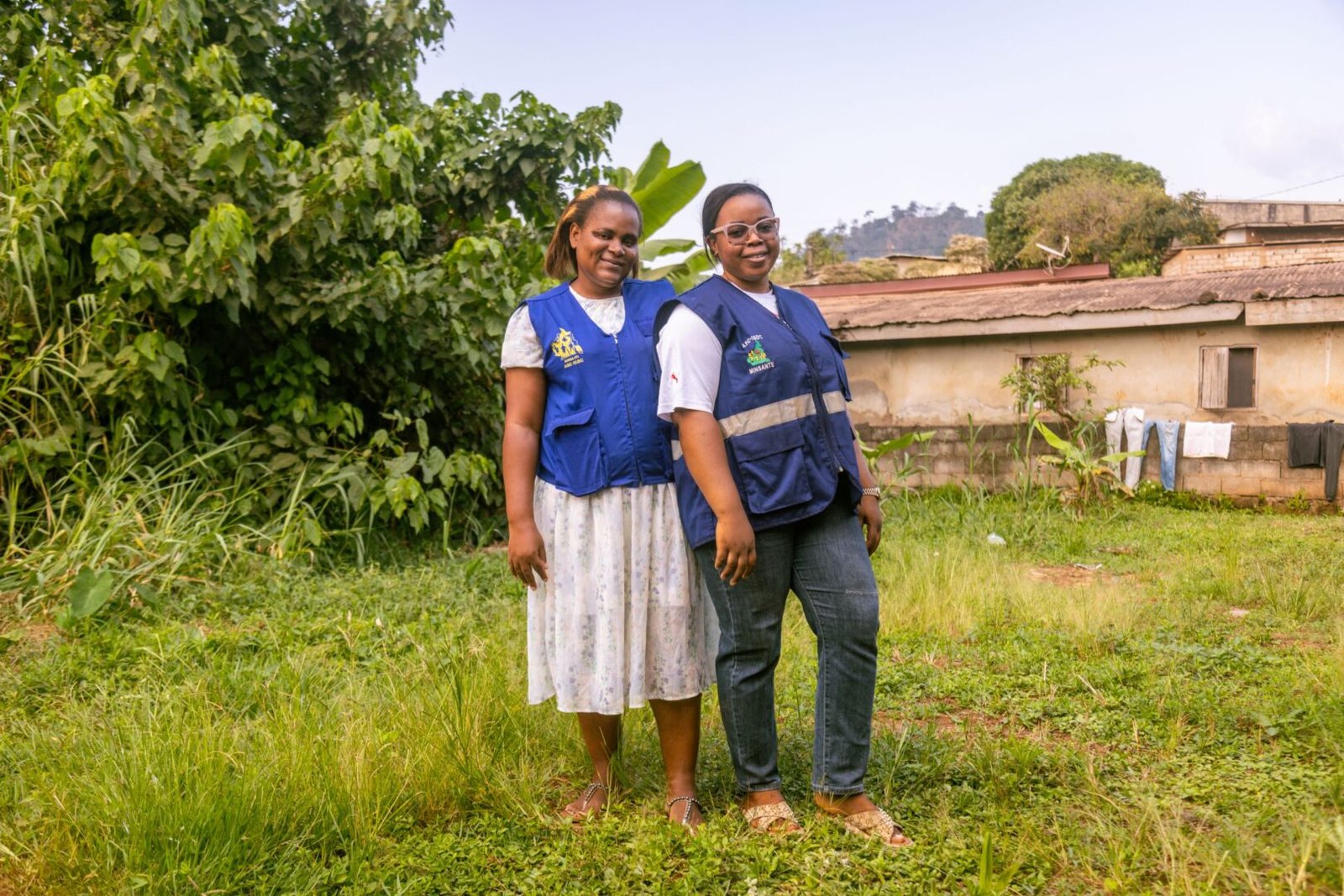
Community health workers Yvonne Ngo Gwet and Chanelle Wankam. Photograph: Yagazi Emezi for Malaria No More.
There are months when I record around 15 positive malaria tests, and other months when it can be 20 cases. It really depends on the season. — Chanelle Wankam, Yaoundé
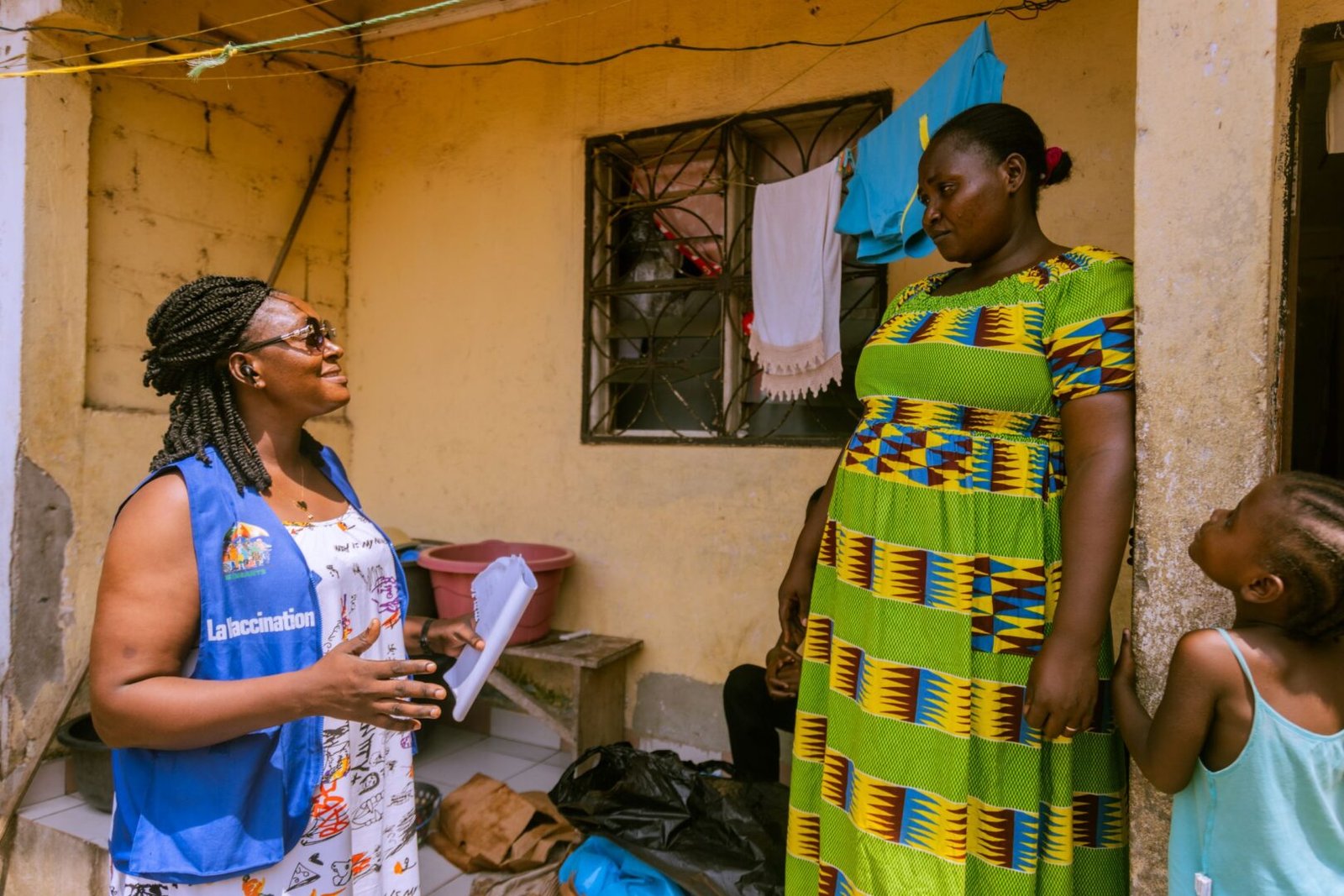
Community health worker Atimana Oloko. Photograph: Yagazi Emezi for Malaria No More.
We usually go out five days a week, during which we visit around twenty households … the first thing we do is raise awareness about the proper installation of mosquito nets and household sanitation. — Atimana Oloko, Kribi
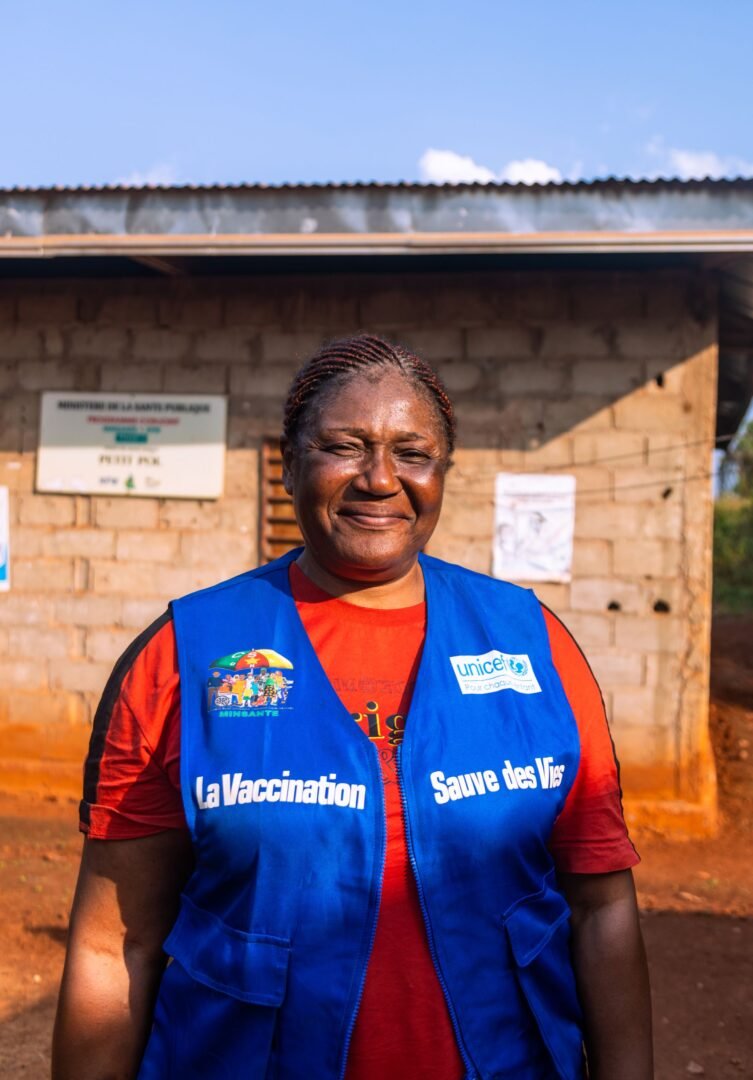
We are here in the upper village, and the number of cases depends on the seasons — whether it is the dry season, the rainy season, or even the mango season. The health area is quite large … In most villages there are motorbikes that people can use for transportation. The farthest village is about 18 kilometers away. — Thérèse Ndzengue, Bertou
Community health worker Thérèse Ndzengue. Photograph:
Yagazi Emezi for Malaria No More.