28Sep 26
Every year on World Nature Conservation Day, we are reminded that protecting nature means more than preserving individual species; it means restoring the relationships that sustain entire ecosystems. On islands, where land and sea are deeply intertwined, those connections can determine the future of biodiversity and the communities that depend on it.
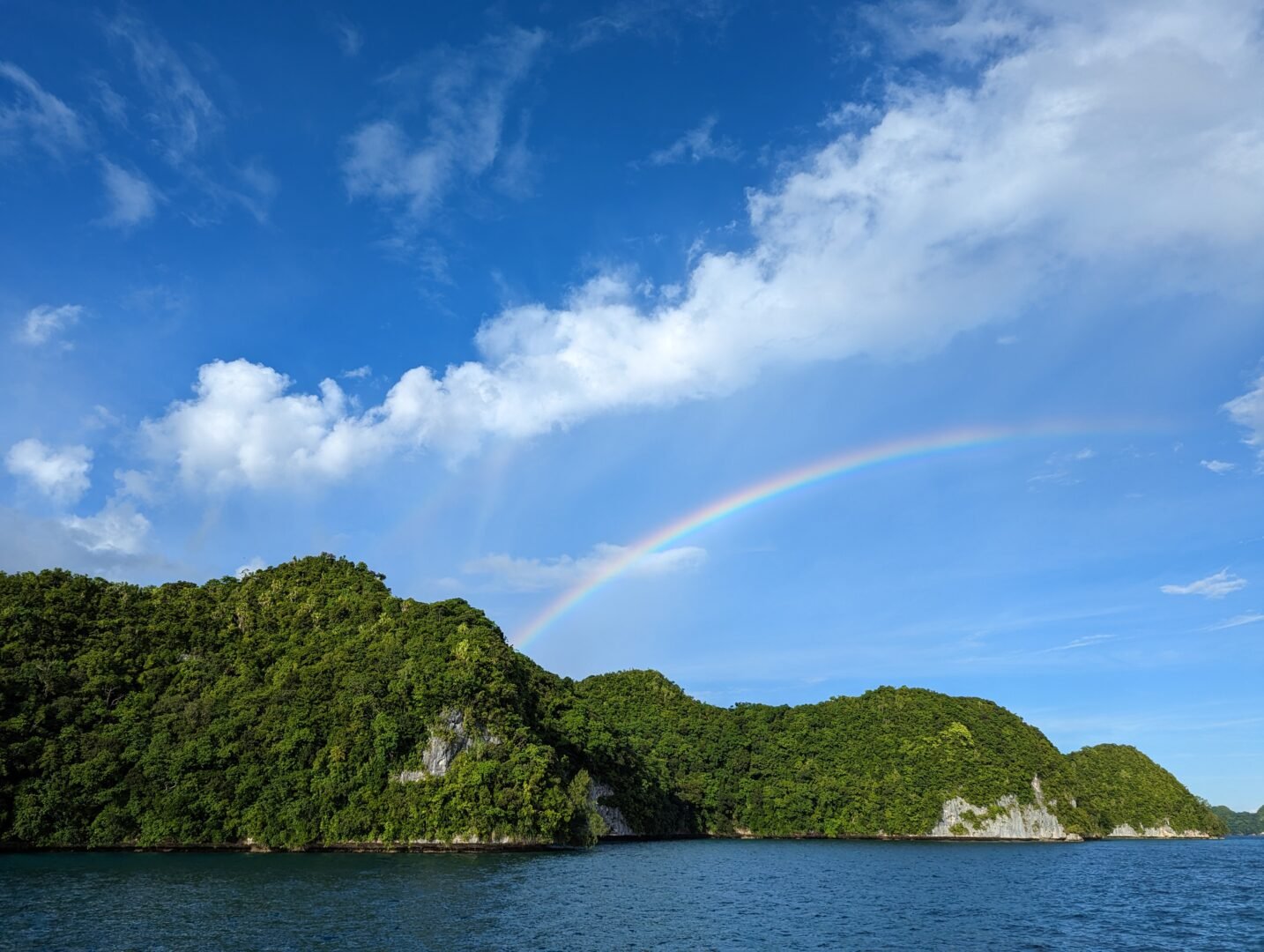
A rainbow over Ulong Island. Photograph: Timo Sullivan / Island Conservation
A new study from Ulong Island in Palau, conducted through Island Conservation’s Island-Ocean Connection Challenge (IOCC), offers powerful evidence of just how quickly nature can recover when those relationships are restored. Just one year after invasive rats were removed from the island, researchers documented the world’s first experimental evidence that the return of seabirds is already helping reconnect terrestrial and marine ecosystems through the movement of nutrients from land to sea. The result? Healthier soils, increasing fish biomass, and early signs of coral reef recovery.
For decades, scientists have understood that seabirds act as ecological connectors. Feeding at sea and nesting on land, they transport marine-derived nutrients back to islands through their guano, enriching forests and, ultimately, nearby coral reefs. The Ulong study is the first controlled experiment to demonstrate how quickly these benefits can begin to return following island restoration.
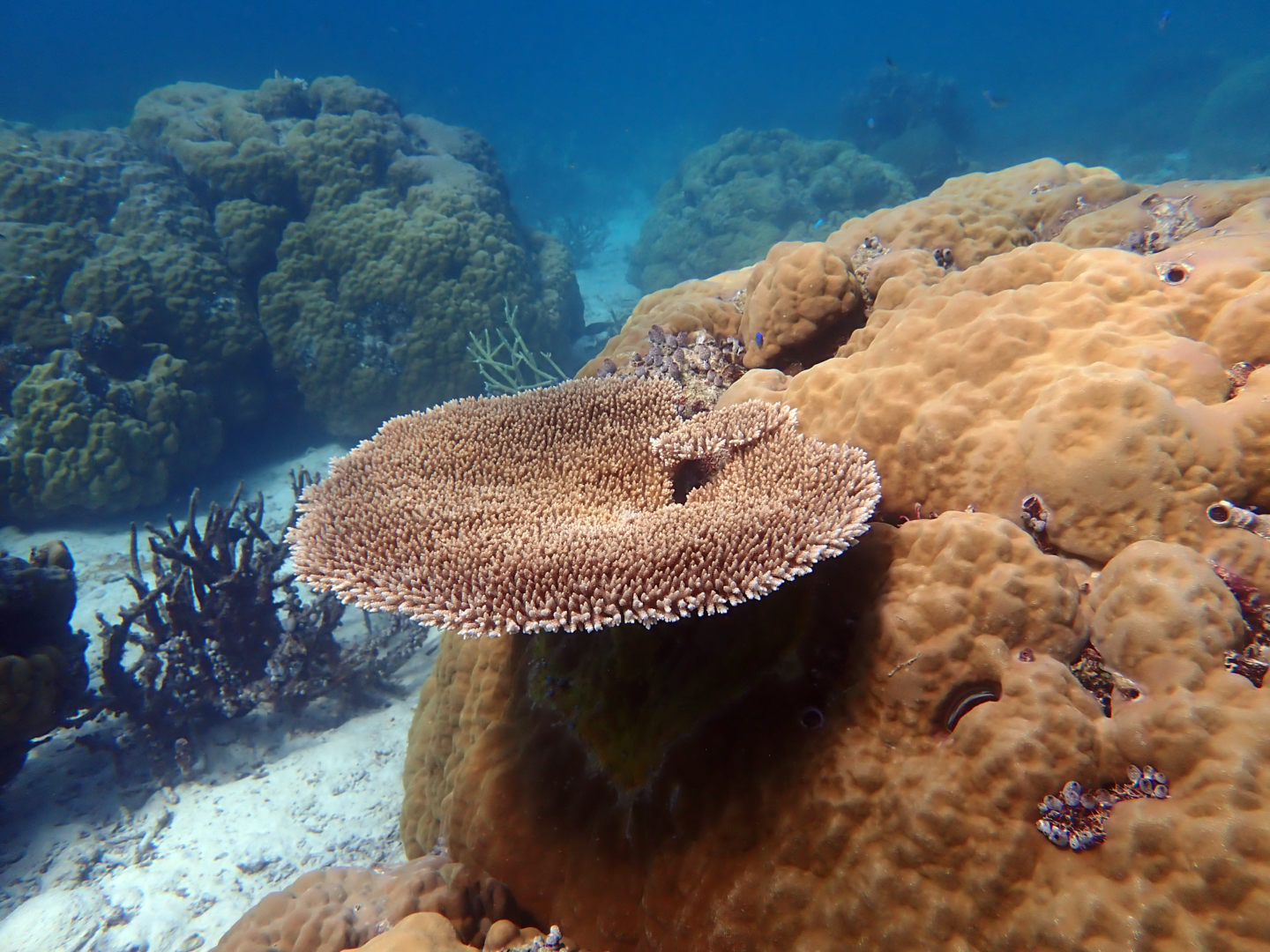
Ulong Island’s coral reefs. Photograph: Island Conservation
This is an important reminder that conservation is rarely confined to a single habitat. Healthy islands support healthy oceans, which create healthy, functioning ecosystems. Across the Pacific and beyond, island communities rely on healthy, thriving ecosystems for food security, livelihoods, cultural identity, and resilience in the face of climate change impacts. Restoring one part of an ecosystem can generate benefits that ripple across the entire landscape.
At the same time, the study highlights an important opportunity. Invasive species remain one of the leading drivers of biodiversity loss on islands worldwide. The question becomes: how can we scale this work to more and larger islands to have the greatest impact for our planet and ourselves?
Achieving holistic restoration requires a diverse conservation toolbox. Alongside established restoration methods, researchers around the world are exploring emerging alternatives, including genetic technologies such as gene drive, that may one day help address invasive species in places where current methods are impractical. Any future application would require rigorous scientific evaluation, transparent governance, and meaningful engagement with local communities, but continued research expands the options available to conservationists facing a rapidly accelerating biodiversity crisis.
World Nature Conservation Day is an opportunity to celebrate not only the ecosystems we protect today, but also the science, collaboration, and innovation that will shape conservation tomorrow. The success at Ulong demonstrates what is possible when local leadership, long-term ecological monitoring, and holistic restoration come together to rebuild the connections between land, sea, and people.
Nature has an extraordinary capacity to recover when given the chance. By continuing to invest in both proven restoration efforts and responsible scientific innovation, organizations like Island Conservation, together with global partners such as the Outreach Network for Gene Drive Research, are helping expand the possibilities for restoring islands and ensuring more communities and wildlife have the opportunity to thrive.