28Sep 26
As we mark World Mosquito Day, it is worth taking stock of a region that holds both some of the world’s most inspiring malaria success stories — and some of its most urgent warnings. Malaria remains a significant but highly uneven public health challenge across the Asia-Pacific region. Over the past decade, the region has made remarkable progress, but recent years have shown that these gains cannot be taken for granted.
Malaria cases remain concentrated in a small number of countries, and in some settings affected by conflict, population displacement, climate-related events, and health system disruptions, progress has slowed — or even reversed.
At the same time, the region has produced some of the world’s most notable malaria elimination successes. Bhutan, China, Malaysia, Sri Lanka, and most recently Timor-Leste have either achieved WHO malaria-free certification or reported zero indigenous cases, demonstrating that elimination is possible in diverse settings when countries sustain political commitment, financing, and strong programme delivery.
The broader lesson is that Asia Pacific is not facing a uniform epidemic; it is a region where progress and vulnerability coexist. The experience of recent years shows that gains can be quickly lost when health systems are disrupted or investment declines, but it also demonstrates that elimination is achievable when countries, communities, and partners remain committed to the goal.
What will it take to advance progress towards malaria elimination in the Asia-Pacific region?
Ending malaria in the Asia-Pacific region will require sustained political commitment, adequate financing, and a relentless focus on the populations and locations where transmission continues to persist. As countries move closer to elimination, the challenge becomes more complex: every remaining case matters, and surveillance systems must be capable of rapidly detecting, investigating, and responding to infections before they lead to onward transmission.
One of the greatest opportunities lies in strengthening community-level health services to ensure vulnerable populations can access timely diagnosis and treatment. Many malaria infections now occur among people who live or work far from routine health services, making tailored, locally driven approaches essential. Better use of surveillance data can also help countries identify transmission hotspots, target resources more effectively, and respond quickly to emerging risks.
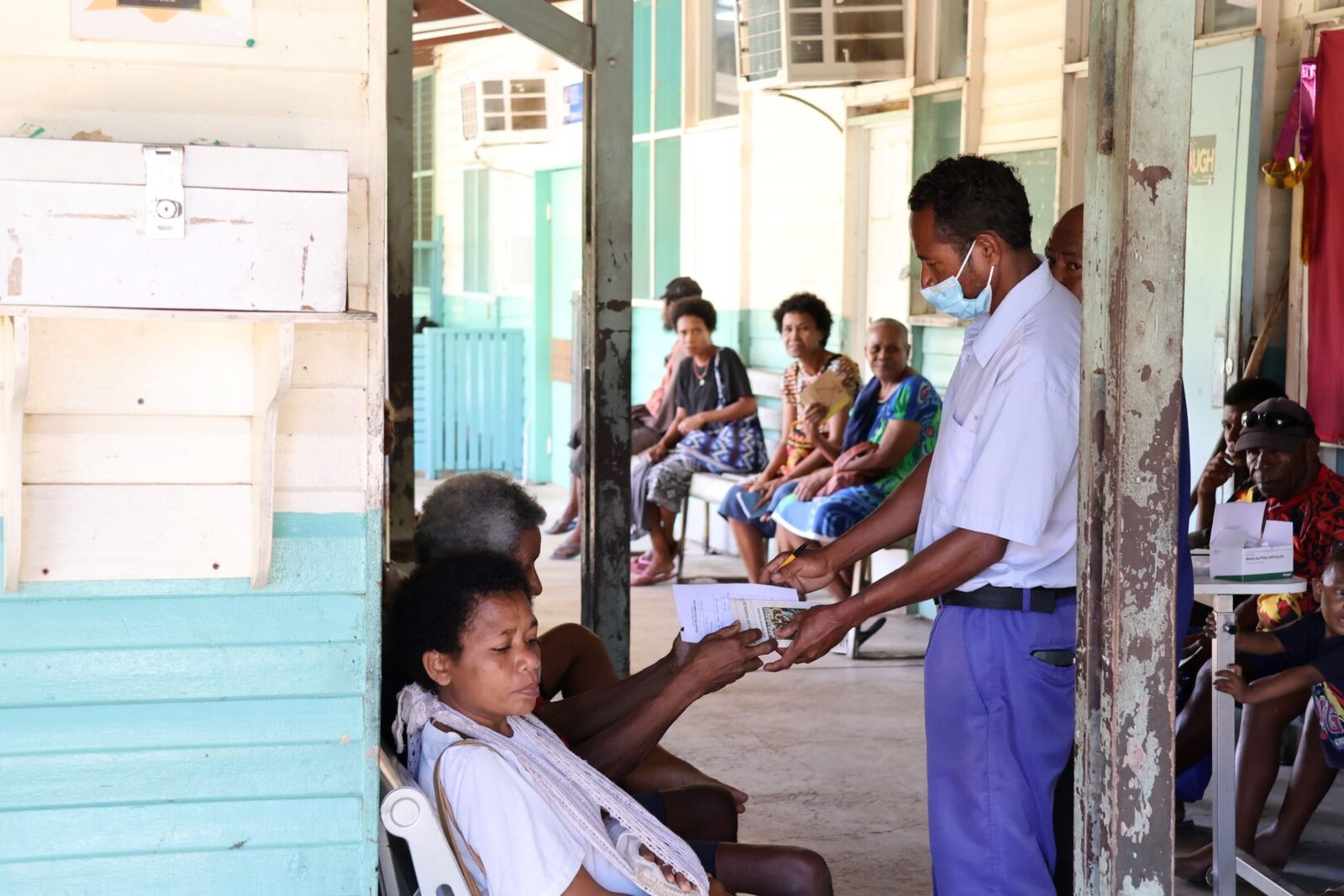
A health worker tends to a patient at the Alotau Provincial Hospital in Milne Bay Province, Papua New Guinea. APLMA has been a close partner to PNG’s National Malaria Program, supporting national and subnational efforts to strengthen malaria elimination efforts. Photograph: Asia Pacific Leaders Malaria Alliance (APLMA)
Cross-border collaboration is another critical priority. Greater cooperation between neighbouring countries — including data sharing, harmonized surveillance, coordinated responses, and support for mobile populations — can help prevent imported cases from re-establishing transmission. The growing emphasis on cross-border initiatives, including those involving Timor-Leste and Indonesia, demonstrates the value of regional partnerships.
The region must also remain vigilant against emerging threats, including antimalarial drug resistance, insecticide resistance, and the impacts of climate change. Ultimately, malaria elimination should be viewed not simply as a health objective, but as a development and economic priority. The countries that have succeeded show that when political leadership, domestic investment, strong health systems, communities, and partners align behind a common goal, elimination becomes possible and can be sustained.
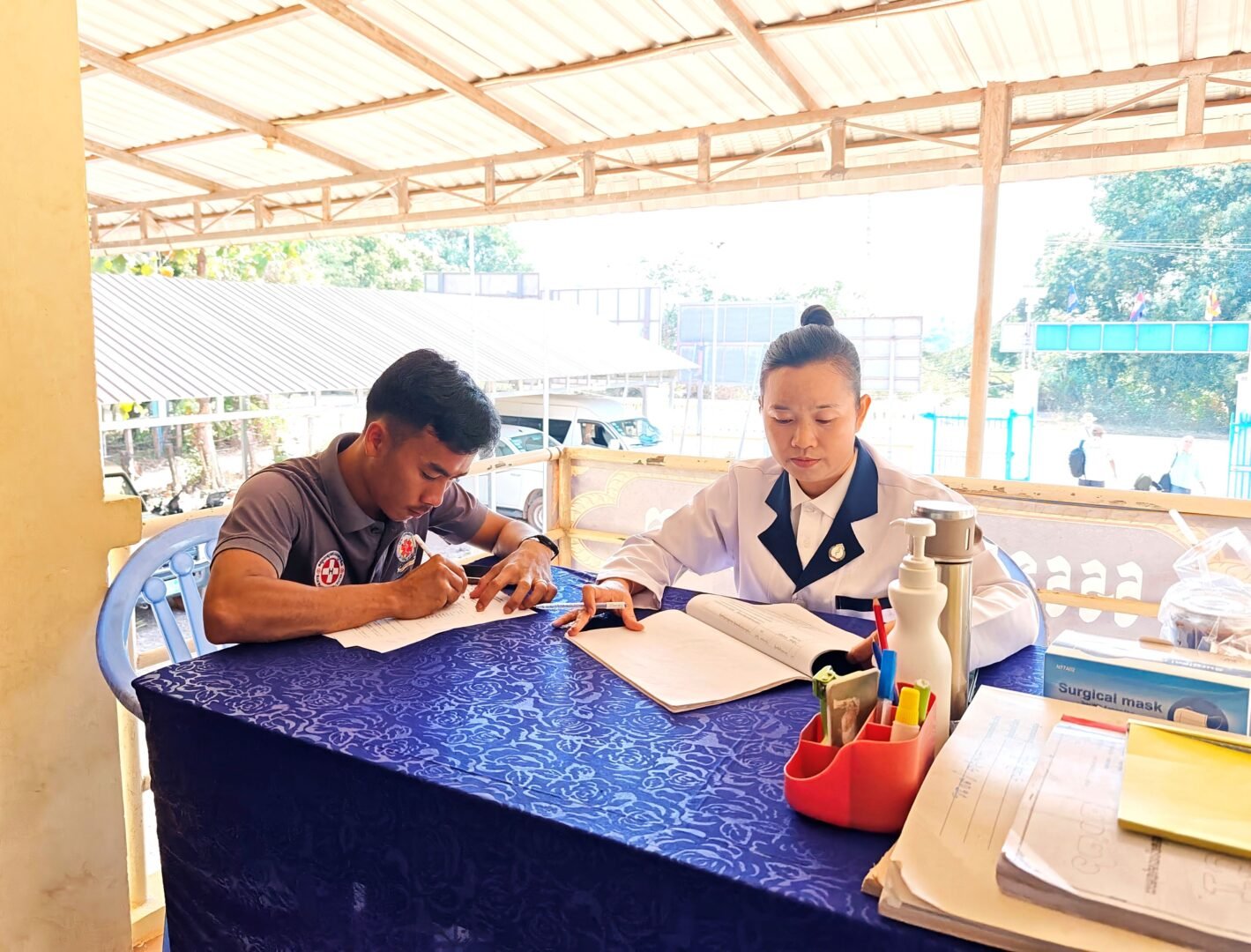
Medical staff on duty at the Siem Pang Health Center in Stung Treng Province, Cambodia. In the remote border regions of Cambodia, health workers act as the primary frontline defense against malaria. Photograph: APLMA
What lessons can we learn from Timor Leste’s journey to achieve malaria elimination?
Timor-Leste’s achievement sends a powerful message: malaria elimination is possible, even in countries that once faced a high burden of disease. After independence, the country reduced malaria from more than 223,000 reported cases in 2006 to zero indigenous cases from 2021 onward, ultimately achieving WHO malaria-free certification in 2025.
One key lesson is the importance of sustained political leadership and long-term commitment. Timor-Leste established a dedicated National Malaria Programme early in its nation-building process and maintained focus over more than two decades despite competing health and development priorities.
A second lesson is the value of investing in fundamentals: widespread access to diagnosis and treatment, effective vector control, strong surveillance systems, and community engagement. Timor-Leste’s success was built on introducing rapid diagnostic testing, deploying effective medicines, distributing insecticide-treated nets, and ensuring cases could be quickly detected and responded to.
Third, elimination requires partnership. Governments, communities, health workers, WHO, the Global Fund, and other development partners all played a role in Timor-Leste’s journey. No country reaches elimination alone.
Perhaps the most important lesson, though, is that progress must be accompanied by vigilance. Malaria-free certification is not the end of the story. Countries that eliminate malaria must continue investing in surveillance and preparedness to prevent re-establishment. Timor-Leste’s experience shows that elimination is both achievable and sustainable — but only when countries remain committed to protecting the gains they have worked so hard to achieve.
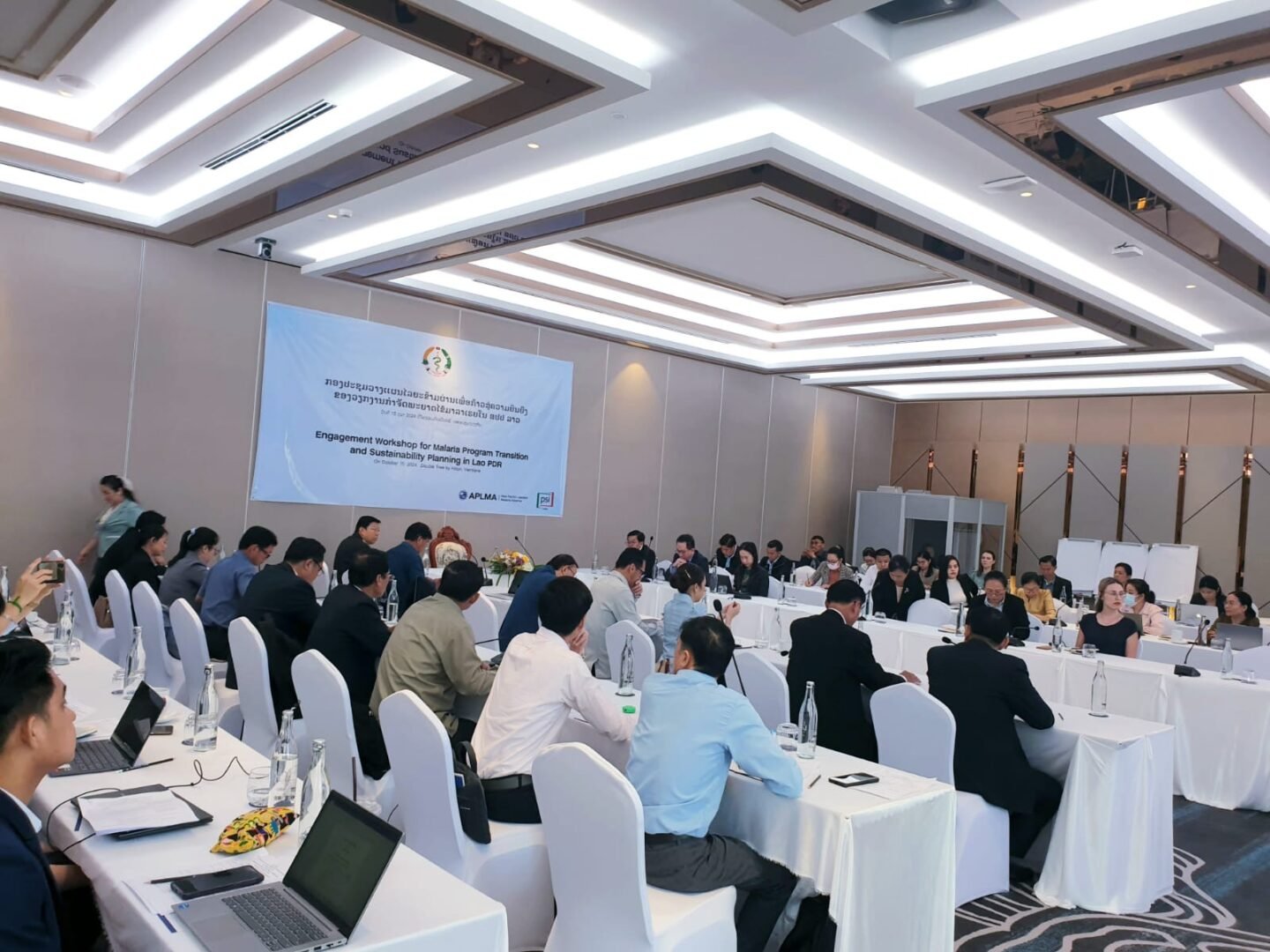
APLMA supported a stakeholder engagement workshop in Vientiane in 2024 to support critical discussions on malaria program transition and sustainability planning roadmap. The workshop involved delegates from ministries, international partners, CSOs and the Lao Country Coordinating Mechanism. Photograph: APLMA
What has been effective in tackling malaria, and what challenges remain?
Looking back on my own professional journey, one of the most important lessons I have learned is that malaria elimination is ultimately a collective effort. What has worked well is the combination of sustained political commitment, strong community-based programmes, reliable financing, good data, and the ability to adapt interventions as transmission patterns change.
I have also seen the value of regional cooperation firsthand. In the Greater Mekong Subregion, countries came together through mechanisms such as the RAI Regional Steering Committee and the WHO Mekong Malaria Elimination programme to share data, coordinate cross-border responses, and tackle antimalarial drug resistance collectively. This regional approach has helped drive a dramatic decline in Plasmodium falciparum malaria — the deadliest form of the disease — with reported cases across Cambodia, Lao PDR, Myanmar, Thailand, and Viet Nam falling by almost 90% over the past decade.
At the same time, some of the biggest challenges emerge precisely as countries get closer to elimination. The remaining cases are often concentrated among mobile and migrant populations, remote communities, forest-goers, and border areas that are harder to reach. Drug resistance remains an ongoing threat, while conflict, population movement, and funding constraints can quickly reverse hard-won gains. Maintaining political attention and investment as case numbers fall can also be difficult.
Yet the experience of the Greater Mekong — and of countries across the region — shows that when nations work together, share responsibility, and stay committed to the end goal, malaria elimination is not only achievable, but sustainable.