25Mar 26
The World Health Organization (WHO) has released its annual World Malaria Report, highlighting that malaria remains a major global health challenge, and that progress in the fight against the disease is under threat. While there have been notable successes and encouraging trends, global progress towards key targets of the WHO Global Technical Strategy for malaria (GTS) 2016-2030 remains significantly off track, underlining that we are a long way from malaria elimination.
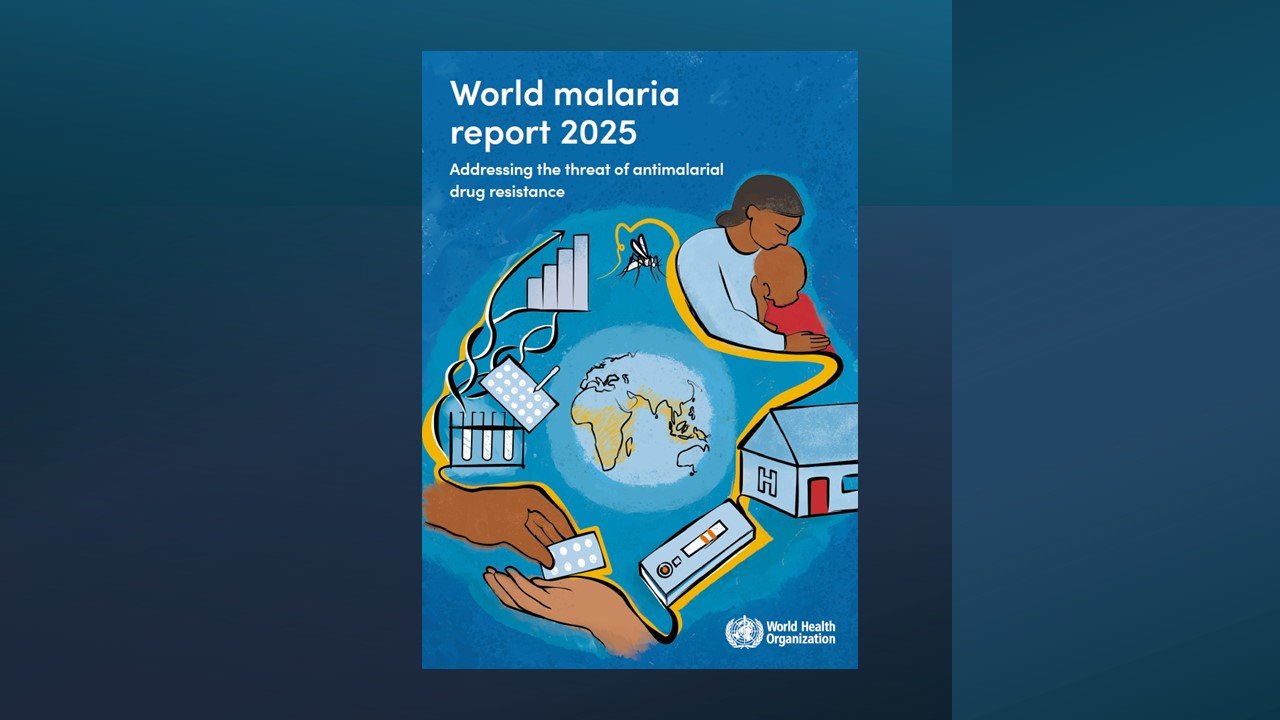
The period 2023-2024 saw an increase of 9 million cases, rising from 273 million in 2023 to 282 million in 2024. Malaria deaths also remain high: 610,000 people died of malaria in 2024, compared to 578,000 in 2015. The WHO African Region continues to carry the heaviest burden, accounting for about 95% of global deaths – a majority of which concerned children under the age of five.
Two-thirds of global cases and deaths are concentrated in just 11 African High Burden High Impact (HBHI) countries with most of these countries experiencing increases in cases from 2023 to 2024. Four countries, including Nigeria, the Democratic Republic of Congo, Niger and the United Republic of Tanzania, my home country, account for more than half of all global malaria deaths.
But against the backdrop of this challenging scenario, there have also been successes worth celebrating. Between 2000 and 2024, an estimated 2.3 billion cases and 14 million deaths were averted globally. These successes have been driven by effective core malaria interventions, new tools and broader health and development improvements – such as urbanization, improved housing, nutrition, education and access to primary care. This year also saw important strides toward malaria elimination in several countries – Egypt and Cabo Verde were certified malaria-free in 2024, and Georgia, Suriname, and Timor-Leste joined them in 2025. However, there has been a resurgence of malaria cases in Cabo Verde, highlighting the fragility of these gains and the need for sustained vigilance.
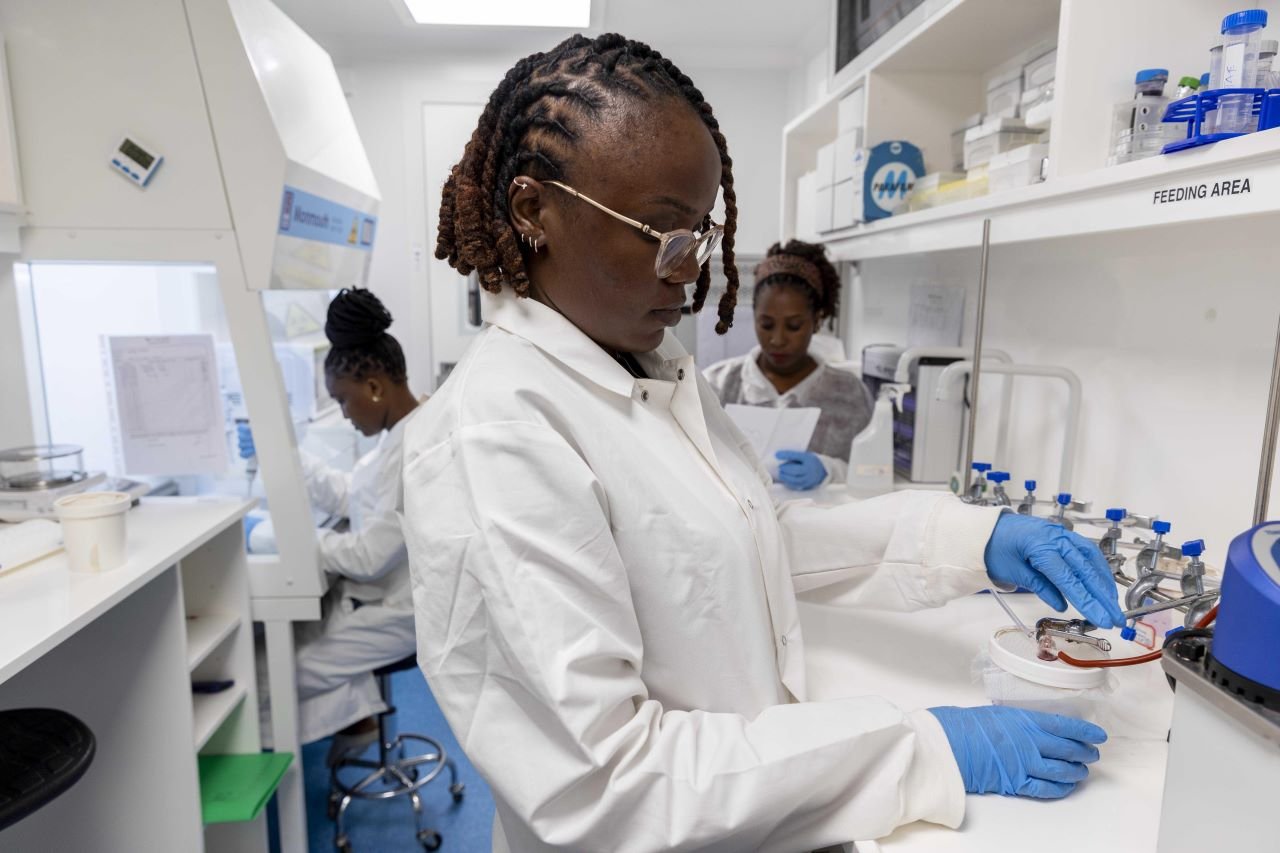
Researchers at IHI’s laboratory in Bagamoyo, Tanzania. Photograph: Transmission Zero
One of the most alarming findings in this year’s report is the rise of antimalarial drug resistance in Africa and beyond, which threatens to undermine decades of progress. Studies have confirmed partial artemisinin resistance in four countries (Eritrea, Rwanda, Uganda and the United Republic of Tanzania), with suspected resistance in four more (Ethiopia, Namibia, the Sudan and Zambia). History has shown how rapidly resistance can spread and how devastating its consequences can be. Other factors contributing to the increase in malaria cases include technical, systemic, environmental and financial challenges including weak service delivery and surveillance, conflict and environmental disruptions, biological threats, social inequities and funding shortfalls. In addition, insecticide resistance, climate change and the spread of invasive mosquito species such as Anopheles stephensi – now detected in nine African countries – are further complicating control efforts.
Compounding the above challenges, recent cuts in global health aid threaten decades of malaria progress. Global malaria funding has plateaued over the last decade and from 2024 to 2025, global malaria financing faced serious setbacks and fell short of the US$9.3 billion GTS target for 2025. Early data for 2025 indicate further reductions in global health financing, at a time when needs are growing.
The report delivers a stark reminder: urgent and coordinated action is needed to address current challenges. Strong political leadership must be matched with decisive operational efforts and community-level engagement. The momentum generated in 2024 through the Yaoundé Declaration must now translate into concrete action and measurable impact.
The report also highlights “The Big Push” framework, which seeks to strengthen the malaria response through collaboration, leadership, expanded access to quality interventions, increased funding as well as the rapid adoption of new tools. In the face of mounting challenges and the escalating threat of drug resistance on the African continent, advancing toward malaria elimination will require bold action and transformative tools.
At Transmission Zero, we are contributing to this effort by developing innovative genetic solutions to combat malaria. The initiative brings together the Ifakara Health Institute (IHI), the Tanzania National Institute for Medical Research, the Swiss Tropical and Public Health Institute (Swiss-TPH) and Imperial College London. One of our major achievements has been the development of the first transgenic mosquito strain ever generated in Africa, a milestone that demonstrates the continent’s growing capacity to lead cutting-edge genetic research for public health.
This year’s report is a call to reflect together on the role of governments, researchers and communities. With challenges including rising resistance to available interventions, changing transmission patterns and persistent funding gaps, we are faced with a defining moment. The choices we make now will determine whether we accelerate progress toward elimination, or risk losing hard-won gains in the fight against malaria.