
28Sep 26
Engaging rightsholders, communities and stakeholders is paramount to ensuring the relevance, appropriateness, and ethical integrity of scientific processes. Our new paper in Gates Open Research presents an example of collaborative, culturally appropriate dialogue between gene drive researchers and Indigenous Peoples and Local Communities.
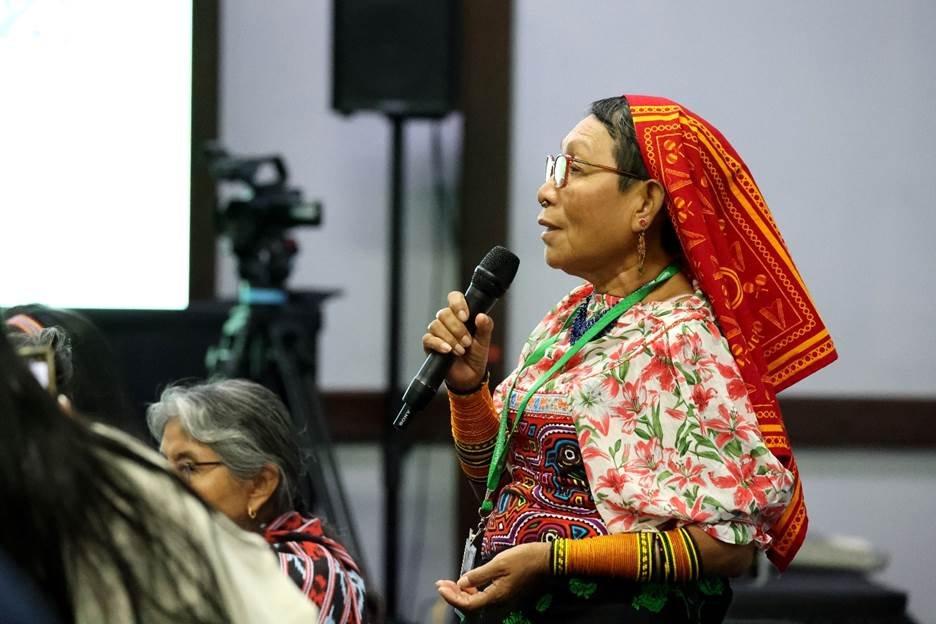
Participants of the “Bridging Worlds: Fostering Dialogue Between IP&LCs and Gene Drive Researchers” event co-organized by the Red de Mujeres Indigenas sobre Biodiversidad para America Latina y el Caribe (RMIB-LAC) and Outreach Network for Gene Drive Research at the First meeting of the Subsidiary Body on Article 8(j) at SBSTTA 27 in Panama in October 2025.
Coordinated by the Outreach Network for Gene Drive Research and representatives of the International Indigenous Forum on Biodiversity (IIFB), the dialogue aimed to build trust and facilitate mutual understanding and create a safe space for sharing research processes and outcomes and traditional knowledge, rather than to reach decisions on the research or implementation of a specific gene drive technology application.
The engagement began during an Indigenous Peoples and Local Communities caucus meeting at the CBD‘s Subsidiary Body on Scientific, Technical and Technological Advice (SBSTTA) 22nd meeting in Montreal in 2018. At the time, there was no expectation that this initial exchange would develop into a long-term dialogue. Both groups were exploring whether such a dialogue could succeed and what form it could take over time.
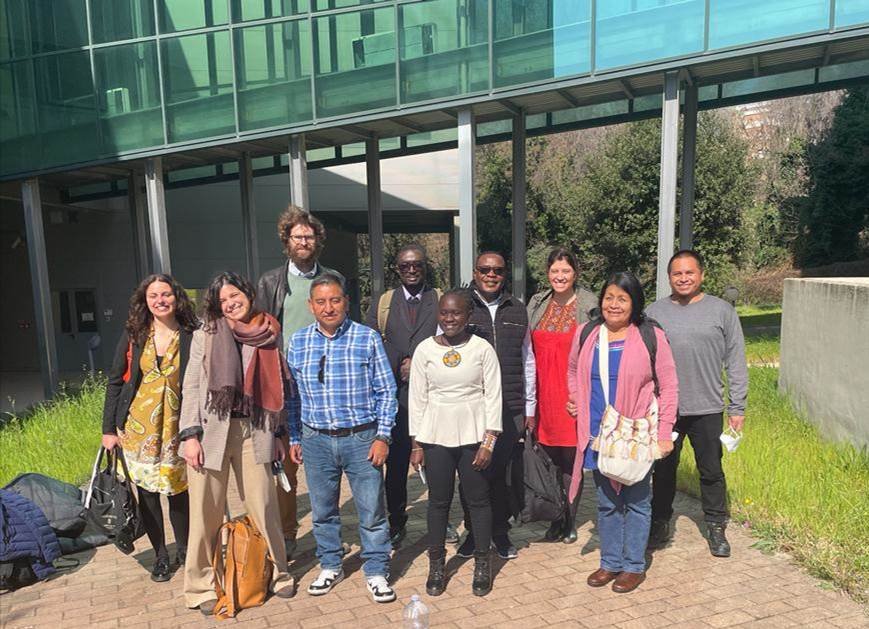
Visit of the laboratory facilities at Polo d’Innovazione di Genomica, Genetica e Biologia (Polo GGB) in Terni (Italy).
Over the following three years, the dialogue evolved through multiple formats: online discussions, workshops, a laboratory visit to Polo d’Innovazione di Genomica, Genetica e Biologia (Polo GGB) in Terni (one of the partners of Target Malaria), participation in the Pan-African Mosquito Control Association’s training sessions on gene drive technologies, and a joint event at the CBD Conference of the Parties in Montreal in 2022.
Building trust on co-developed engagement principles was a foundational element to the success of our initial engagement. An external facilitator, the Keystone Policy Center, was hired by the researchers, with the clear understanding that the process needed to be shaped equally by both groups. The facilitator brought impartiality and objectivity to the process, allowing both parties to express themselves more freely.
Acknowledging the diverse cultural backgrounds and value systems in this dialogue was also essential for fostering respectful and meaningful relationships and engagement. The participants from each group came from different regions in the world – Latin America, Asia, Africa, Europe and the Pacific – and had diverse cultures, practices, and other knowledge and perspectives. Creating space for these differences was key for fostering respectful and meaningful relationships and engagement.
The first engagements highlighted a shared frustration: online dialogues were making trust-building and genuine interactions difficult. In later meetings, the science of gene drive was explained through more interactive methods; the mosquito laboratory visit in Terni was organized in response to the need to see and experience the scientific context directly. As observed in previous laboratory visits, this real-life exposure to science can change perceptions. By observing the laboratories and interacting directly with researchers, the visit provided a first-hand experience of how gene drive research is carried out and the measures taken to ensure its safe and responsible advancement in containment. This helps to build trust and to ease concerns often associated with genetic technologies.
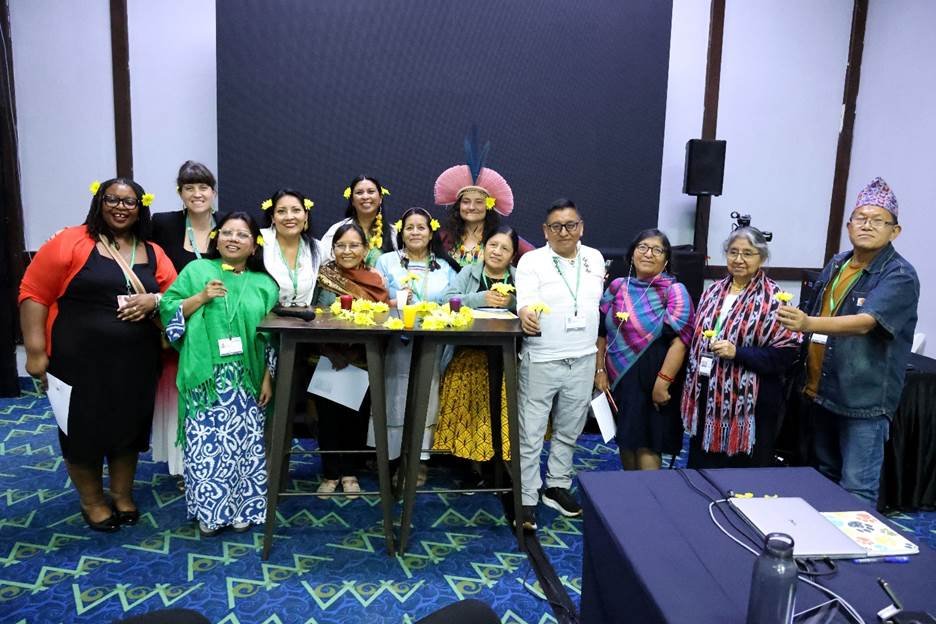
Participants of the “Bridging Worlds: Fostering Dialogue Between IP&LCs and Gene Drive Researchers” event co-organized by the Red de Mujeres Indigenas sobre Biodiversidad para America Latina y el Caribe (RMIB-LAC) and Outreach Network for Gene Drive Research at the First meeting of the Subsidiary Body on Article 8(j) at SBSTTA 27 in Panama in October 2025.
In our paper, we present the principles that formed the backbone of this dialogue, including good faith, collective ownership, reciprocity, respect for Indigenous knowledge, and equitable collaboration. We also discuss the challenges that emerged during this initiative, including the complexity of the topic and the limited time available. The process of writing this paper and its publication also exemplified some of these difficulties, particularly in presenting a case study of dialogue, including different knowledge systems, rather than a theoretical paper about engagement. Experiences from gene drive research projects that have engaged with Indigenous Peoples and Local Communities over several years show that meaningful engagement and capacity development require time and sustained commitment through several iterations.
Moving forward, similar dialogues should be encouraged, promoted and supported. Parties to the CBD should consider investing in similar initiatives to address power imbalances and ensure Indigenous Peoples and Local Communities’ perspectives are integrated into research and decision-making. This is directly relevant to the Kunming Montreal Global Biodiversity Framework (KMGBF) and its target 17 on biotechnology, its target 20 on capacity building, technology transfer and scientific and technical cooperation and its target 21 on availability and accessibility to knowledge.
We hope that the lessons from this dialogue will extend beyond gene drive research and provide valuable insights for broader discussions on the responsible development and governance of other emerging technologies.
