
28Sep 26
Malaria remains one of Africa’s leading causes of illness and death, particularly affecting children under five. Despite major reductions in malaria mortality since the early 2000s, progress against the disease has stalled in recent years and cases and deaths are once again on the rise. São Tomé and Príncipe (STP), where the University of California Malaria Initiative (UCMI) has been working since 2018, is no exception to this trend. Although the island nation has made important progress in reducing malaria incidence, recent data highlights the need for renewed action. According to the World Malaria Report 2025, São Tomé and Príncipe has experienced increases of 70% or more in both malaria case incidence and mortality since 2015. Over the same period, the number of malaria cases in the country has more than tripled.
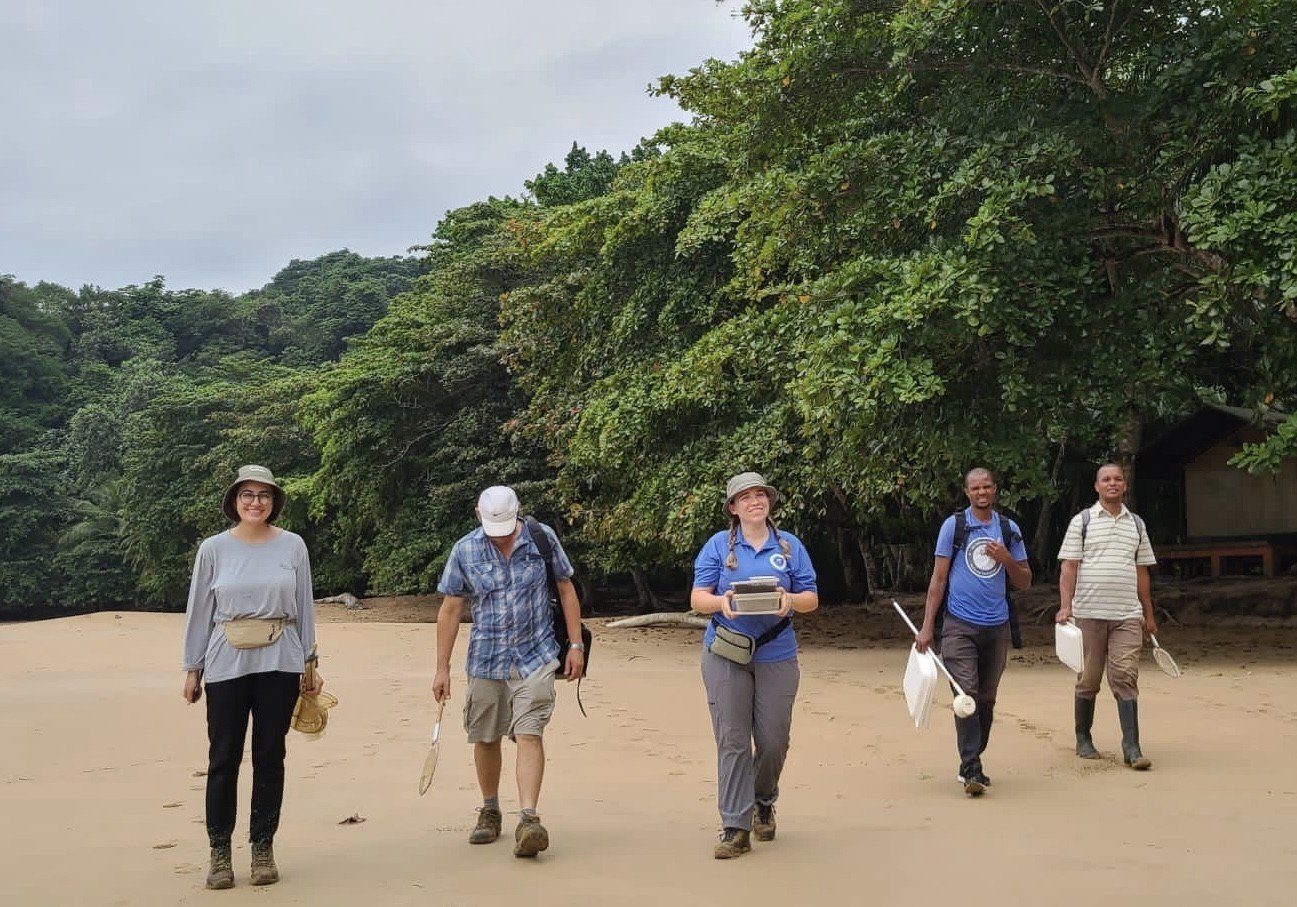
UCMI team members collecting wild Anopheles coluzzii larvae in São Tomé and Príncipe. Photograph: UCMI
The University of California Malaria Initiative (UCMI) is a not-for-profit research collaborative invested in contributing to malaria elimination. We are working to develop new genetic technologies to modify malaria-transmitting mosquitoes, so they are unable to transmit the malaria parasite. Alongside existing tools, this approach could represent a sustainable and cost-effective method to reduce malaria transmission.
Developing local expertise for malaria elimination
Since 2019, UCMI has been working in São Tomé and Príncipe (STP) to evaluate the feasibility of leveraging the technology we are working on as a future tool to fight malaria and support informed government decision-making. The program integrates vector genetics and eco-epidemiology research, capacity building, and community engagement.
To implement its Program, UCMI established partnerships with the STP’s National Center for Endemic Diseases (CNE), the University of São Tomé and Príncipe (USTP), and the Institute of Hygiene of Tropical Medicine of Lisbon (IHMT), Portugal. Our work is still at the research stage and no genetically modified mosquitoes have been released or are present in STP so far.
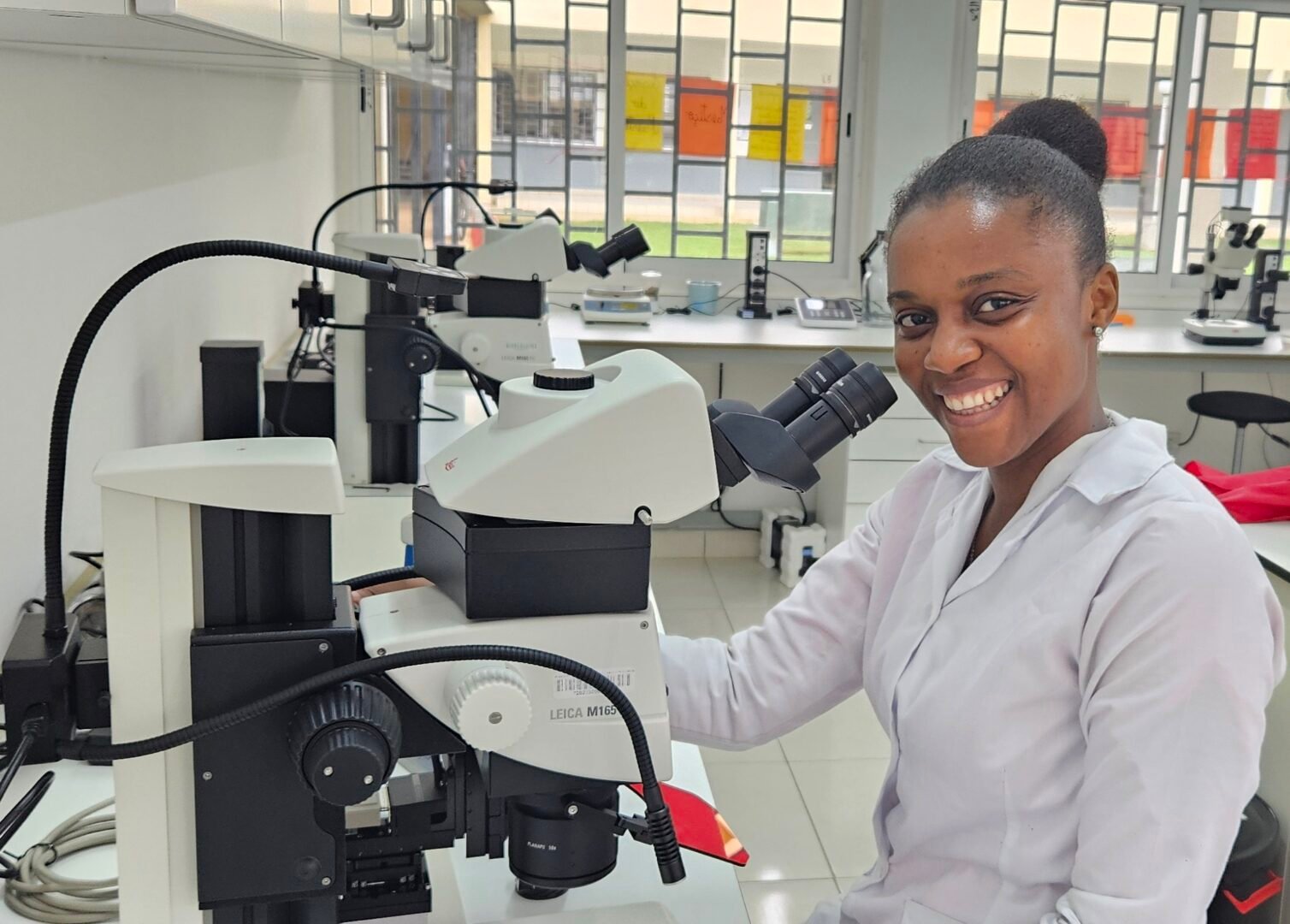
Janete Marbel, Lab Manager of the UCMI Molecular Biology Laboratory at the University of São Tomé and Príncipe. Photograph: UCMI
In January 2023, we established a molecular biology laboratory at the USTP campus with a dual purpose: to support the program’s molecular research needs in STP and to strengthen the public health and research capacity in this island nation. USTP students and researchers work alongside our scientists, to advance knowledge in molecular biology and genetic technologies. This collaborative environment not only builds local capacity but also ensures that our technologies are co-developed with partners in STP.
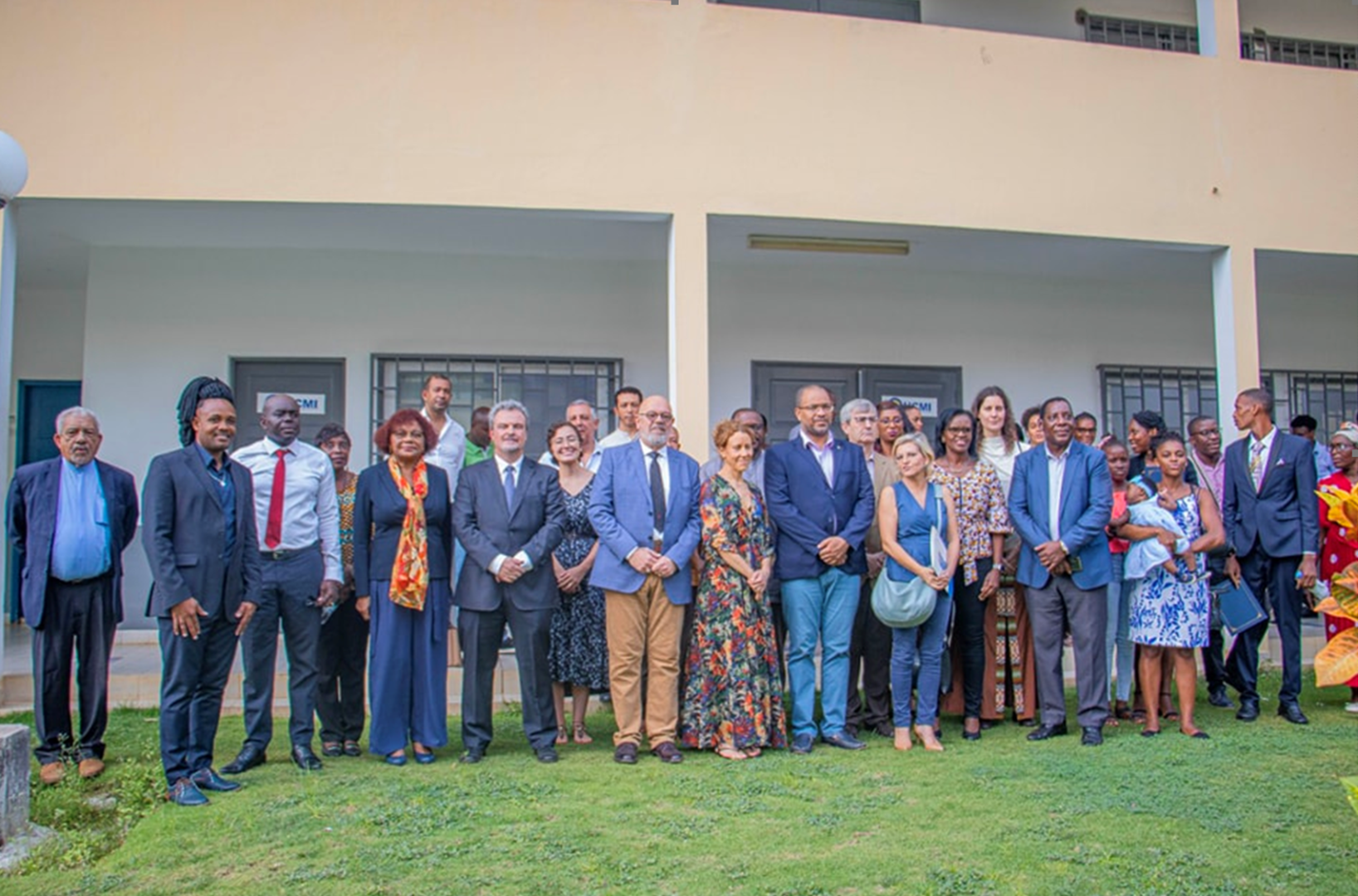
Inaugurating the laboratory at the University of São Tomé and Príncipe (USTP). Photograph: UCMI
Additionally, we formally inaugurated a newly renovated insectary at the STP National Center for Endemic Diseases (CNE), where the National Malaria Elimination Programme (PNEP) conducts their research. The facility strengthens national capacity by enabling the establishment of local mosquito colonies and supporting research essential to STP’s malaria elimination strategy, such as insecticide resistance bioassays and behavioral studies. An office space for the UCMI team is also located at CNE, promoting close interaction with the PNEP team, with whom both field and laboratory activities are continuously undertaken. Altogether, these two research infrastructures have been a cornerstone, of not only the research, but also the training activities that have been implemented.
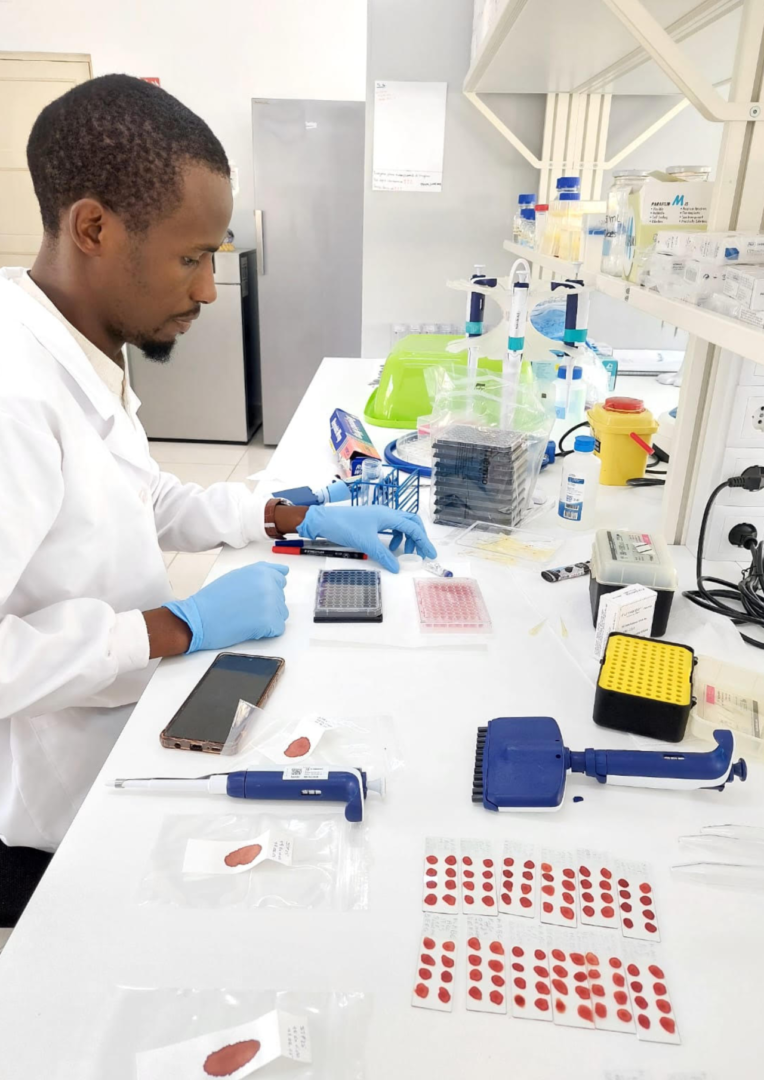
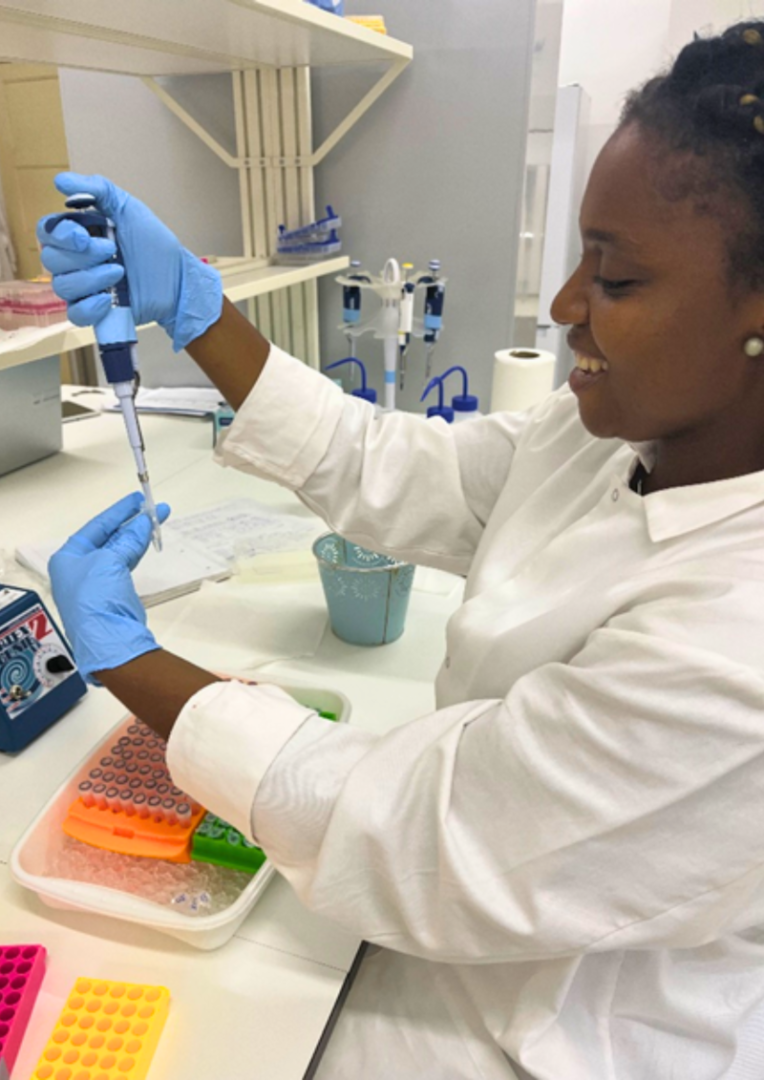
UCMI team members conducting lab work de la UCMI Molecular Biology Laboratory at the University of São Tomé and Príncipe. Photograph: UCMI
Local training has been a core component of our activities in STP, with the goal of building national capacity and expertise in medical entomology and parasitology. USTP students and Ministry of Health technicians and public health professionals (CNE, Central Hospital, Health Delegates) have participated in our training programs delivered through both field and laboratory approaches. Short courses and workshops have been key for targeted topics, including mosquito field collections, insecticide resistance bioassays, and molecular methods.
In addition, the USTP molecular biology laboratory has provided hands-on training in molecular techniques for health technicians. Collaboration with USTP also includes mentoring biological sciences students in their thesis projects under UCMI supervision, as well as contributions to undergraduate teaching in bioinformatics and ecology. These efforts are helping to empower the next generation of São Toméan scientists and health leaders.
A global collaborative initiative for knowledge and expertise exchange
UCMI is a collaborative initiative comprising researchers from four University of California campuses (Irvine, Davis, San Diego, Berkeley) and Johns Hopkins University, all working toward the shared goal of malaria elimination. Within this network, extensive laboratory research is carried out to design and evaluate genetic approaches for malaria control. Complementary studies focus on the biology and behavior of Anopheles coluzzii – the primary malaria vector in STP – and its ecological interactions with other mosquito species and the broader environment.
The program also maintains active international academic collaborations that strengthen and expand its scientific scope. The UCMI Program has supported four full scholarships for STP nationals at IHMT. The MSc graduates completed dissertations on mosquito bioecology and malaria transmission in STP and have since returned for placement in key national roles, including chief entomology officer at PNEP and consultant to the national malaria control strategy. Collaboration with IHMT further includes training activities in STP, joint fieldwork, and vector competence studies conducted at the IHMT-VIASEF high-security insectary in Lisbon. These collaborations enable complementary expertise, shared methodologies, and coordinated research efforts across institutions towards malaria elimination.
Community-led engagement and local partnerships
Meaningful stakeholder engagement and transparent communication are central to our research. These principles ensure our approach and our research are aligned with the needs and concerns of communities and stakeholders affected by or involved in our research. Our national engagement team is composed of Community Health Workers and teacher-agents, spread across all districts of STP, under the supervision of the National Malaria Focal Points and the Health Delegates. These teams carry out engagement activities within communities and schools.
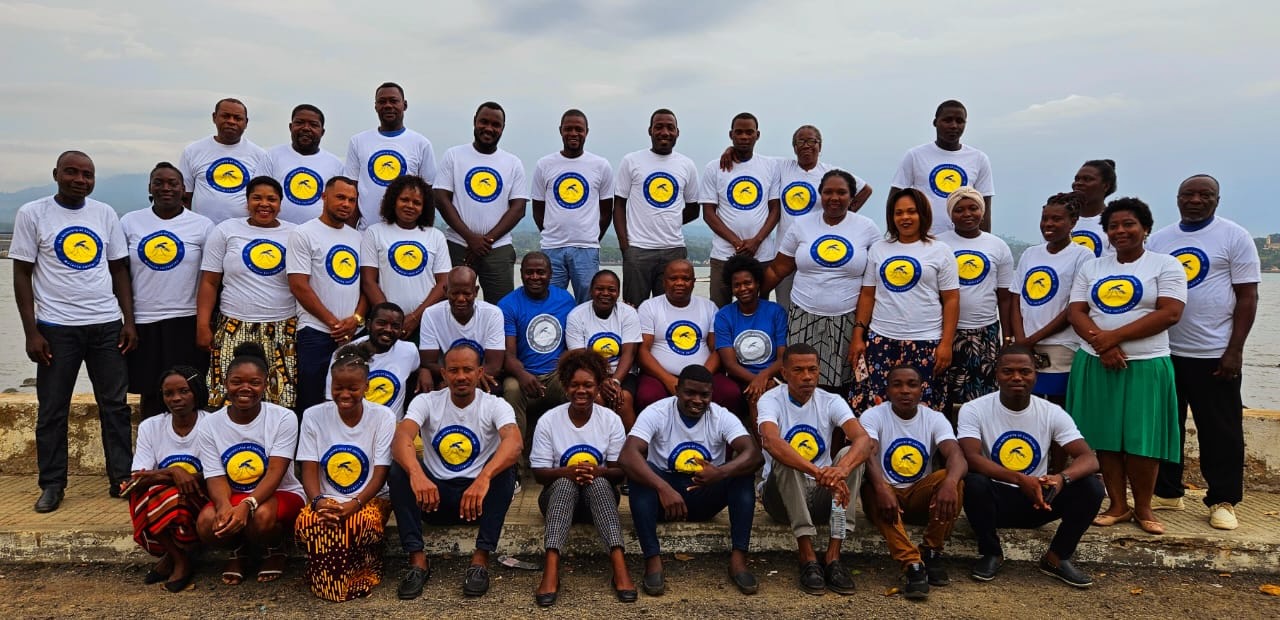
UCMI’s engagement team in São Tomé and Príncipe. Photograph: UCMI
We have adopted a relationship-based model, meaning that our engagement strategies and activities are defined by the local engagement team to ensure that local values and perspectives are integrated and prioritized. This model places community members at the center of decision-making processes, rather than treating them as passive recipients of predefined strategies, methods, and frameworks.
We carry out a wide range of activities with communities and stakeholders, including door-to-door awareness campaigns, meetings with community leaders and members, community debates on the technology, workshops and stakeholder meetings and communities cleaning. All the engagement materials used in the awareness are produced by the local team.
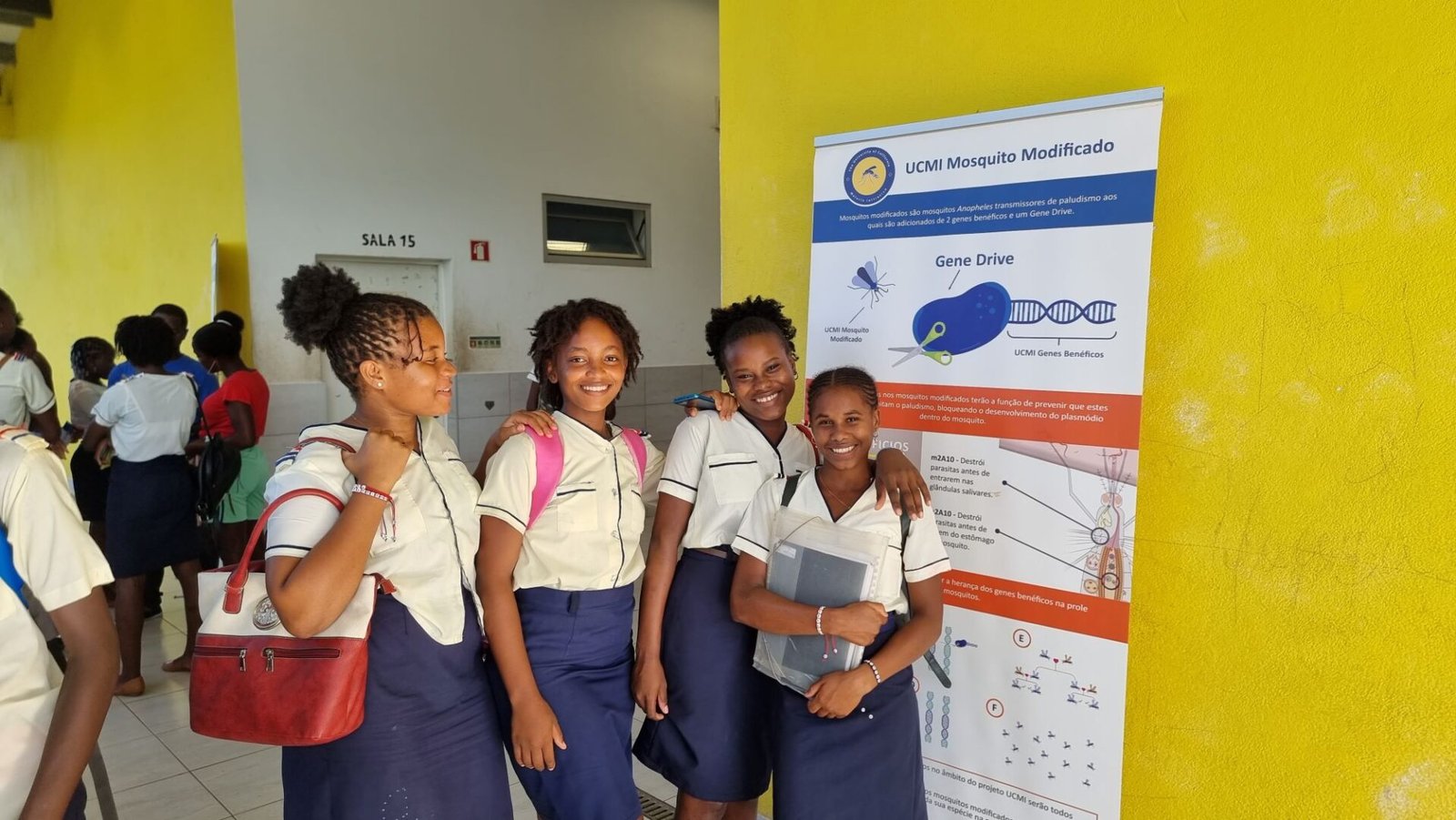
São Tomé and Príncipe students participating in UCMI’s engagement activities. Photograph: UCMI
We also actively collaborate in, and support awareness-raising activities planned and implemented by the National Malaria Elimination Program (PNEP), with the aim of scaling up community engagement efforts.
We also collaborate with local partners as part of our scientific studies conducted in STP. This includes co-authorship with researchers from USTP, as well as partnerships with NGOs such as BirdLife, for molecular analysis studies aimed at the inventory of bird species in STP. UCMI has also been working with BirdLife and Fundação Príncipe on studies to better understand the natural predators of the malaria vector. These collaborations broaden the scientific scope of the program and help us gain insights on links between our public health research and biodiversity.
Malaria remains a growing challenge in São Tomé and Príncipe, underscoring the need to strengthen elimination efforts. Our research program prioritizes the development of national capacity through training, infrastructure, and academic support. This work is reinforced by international collaborations and sustained engagement with communities and national stakeholders, supporting a long-term, locally grounded path toward malaria elimination.
