28Sep 26
Few mosquito-borne diseases have expanded as rapidly in recent decades as dengue – now the most widespread mosquito-borne disease in the Asia-Pacific region. World Mosquito Day is a timely reminder to reflect on this disease, and the increasingly heavy burden it places on communities across the Asia-Pacific region.
The burden of dengue has increased substantially in recent years, driven by a combination of rapid urbanization, climate variability, population movement, and the expansion of Aedes mosquitoes – which are responsible for transmitting the disease – into new areas. While impact varies across countries, no part of the region is immune to the threat of dengue.
The same Aedes mosquitoes that transmit dengue can also spread other viral diseases – including chikungunya and Zika – underscoring the need for integrated vector control. As Aedes-borne diseases remain a persistent risk, sustained investment in prevention, surveillance and innovation, and cross-sectoral collaboration will be essential to protect the gains already made and reduce their health and economic burden.

How has dengue impacted the Asia-Pacific region?
Dengue transmission is generally seasonal and annually cyclical with peaks and troughs driven by several factors including levels of population immunity and entomological and environmental factors. But while cyclical, the overall trend is clear: dengue transmission is now far higher than in previous decades. Upsurges are being driven by human mobility, urbanization and changing weather patterns brough on by climate change – which will only be more pronounced in coming years.
2026 has been a particularly challenging year for dengue across the Asia-Pacific region. Sri Lanka has experienced one of the most significant surges, with more than 80,000 cases reported, particularly over the past two months. Maldives, Vietnam and the Philippines have also seen major upsurges this year. Bangladesh, which experienced a severe outbreak last year, and Malaysia are also reporting significant dengue impacts, including higher deaths from the disease compared with the previous year.
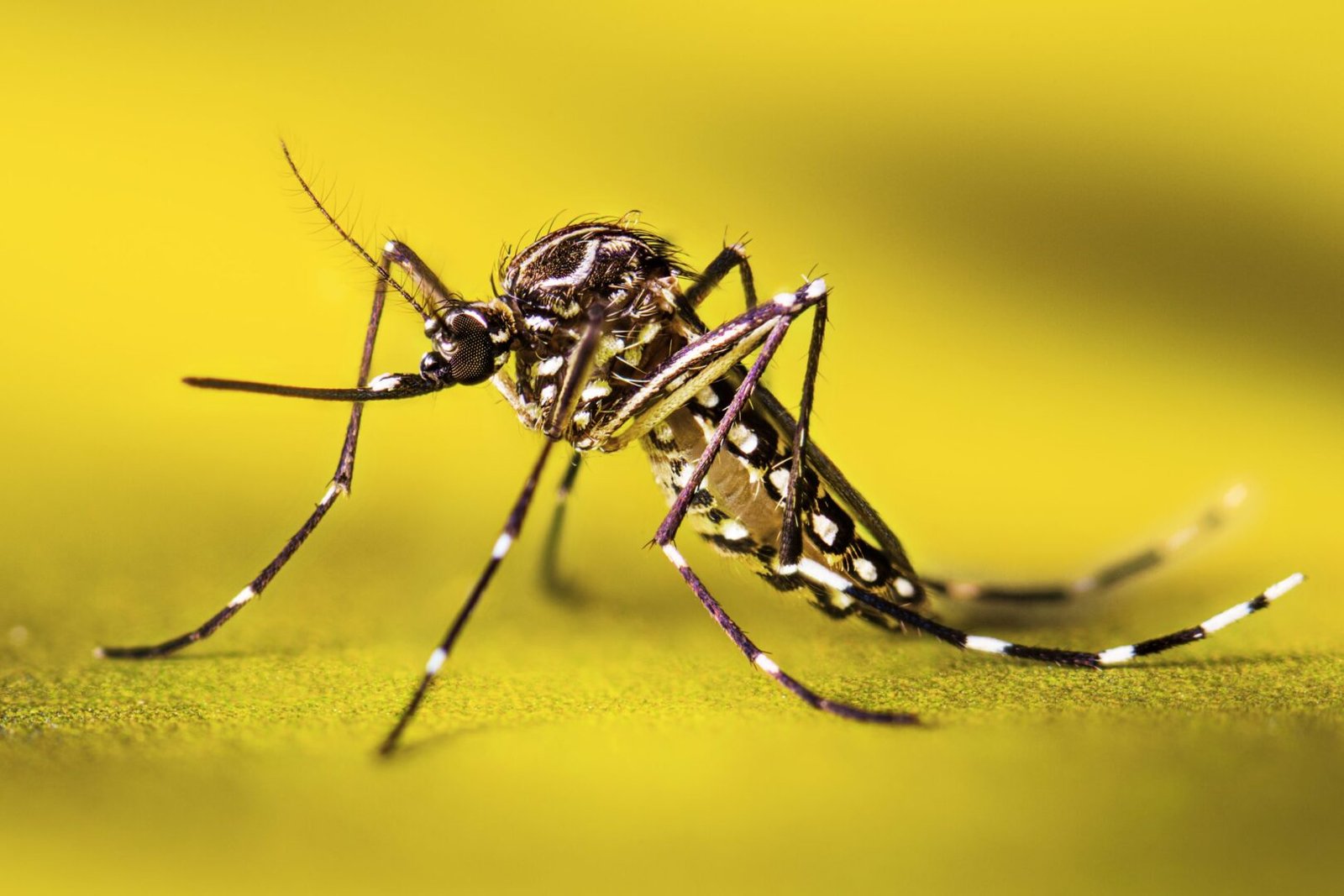
Aedes aegypti mosquito resting. Photograph: Centers for Disease Control and Prevention (CDC)
What progress has been made in recent years to reduce dengue transmission and move toward elimination?
Despite these challenges, progress is being made. While it may be premature to discuss “elimination”, there has been a lot of technical progress in diagnostics, therapeutics and vaccine development and roll-out.
Dengue vaccine development remains complex due to the immunological challenges associated with the disease. In July, Japanese pharmaceutical company Takeda’s Qdenga® vaccinebecame the first dengue vaccine approved in India. Sanofi’s Dengvaxia® is also approved by the World Health Organization (WHO) but recommended only for individuals with prior documented dengue. A third vaccine candidate, Butantan-DV®, has been under development in Brazil but has recently been suspended due to reports of serious adverse reactions.
New vector control tools are also expanding the response. Wolbachia-based approaches – which can reduce the ability of Aedes aegypti to transmit disease and reduce mosquito numbers – have shown promising results in settings such as Singapore, Yogyakarta, and other urban centres across the region.
Effective control of dengue-transmitting mosquitoes requires an integrated approach. At the strategic level, regional and cross-sector collaboration has also strengthened, as demonstrated by evidenced by the recent Asia Dengue Summit in Singapore, organized by Asia Dengue Voice and Action and discussed in more detail below.
What actions are still needed to better control dengue across the Asia-Pacific region and where do you see the greatest opportunities to accelerate progress?
While Wolbachia-based approaches and genetically modified mosquitoes show promise in large urban areas, there remains a need for scalable vector control interventions that can work alongside and complement other tools and contribute to the fight against these diseases.
While current tools are essential components of dengue prevention, some are costly, difficult to implement effectively, or have limited impact on sustained transmission. Expanding the toolkit with innovative approaches is key. Approaches adapted from malaria vector control, including targeted residual spraying and spatial emanators, are showing potential for dengue prevention.
There are also opportunities to strengthen an “all-of-society” approach to fight dengue by demonstrating the economic case for investment, including the benefits to sectors such as tourism.
Globally, Aedes-borne diseases are estimated to cost US$3.1 billion annually, with losses reaching as high as US$20.3 billion in 2013. The 2016 Zika outbreak in Latin America and the Caribbean resulted in an estimated economic impact of US$3.5 billion. In Bangladesh, a cost-of-illness study found that out-of-pocket dengue treatment costs accounted for 56% of average monthly household income, rising to more than 139% among the poorest households, pushing many families into debt. Dengue can also significantly affect tourism economies; in Thailand, dengue-related impacts on tourism in 2019 were estimated to reduce GDP by US$1.43 billion.
Additionally, the rapid advancement of artificial intelligence offers new opportunities to strengthen mosquito surveillance, including through citizen science using mobile technologies, for targeting interventions and outbreak prediction.
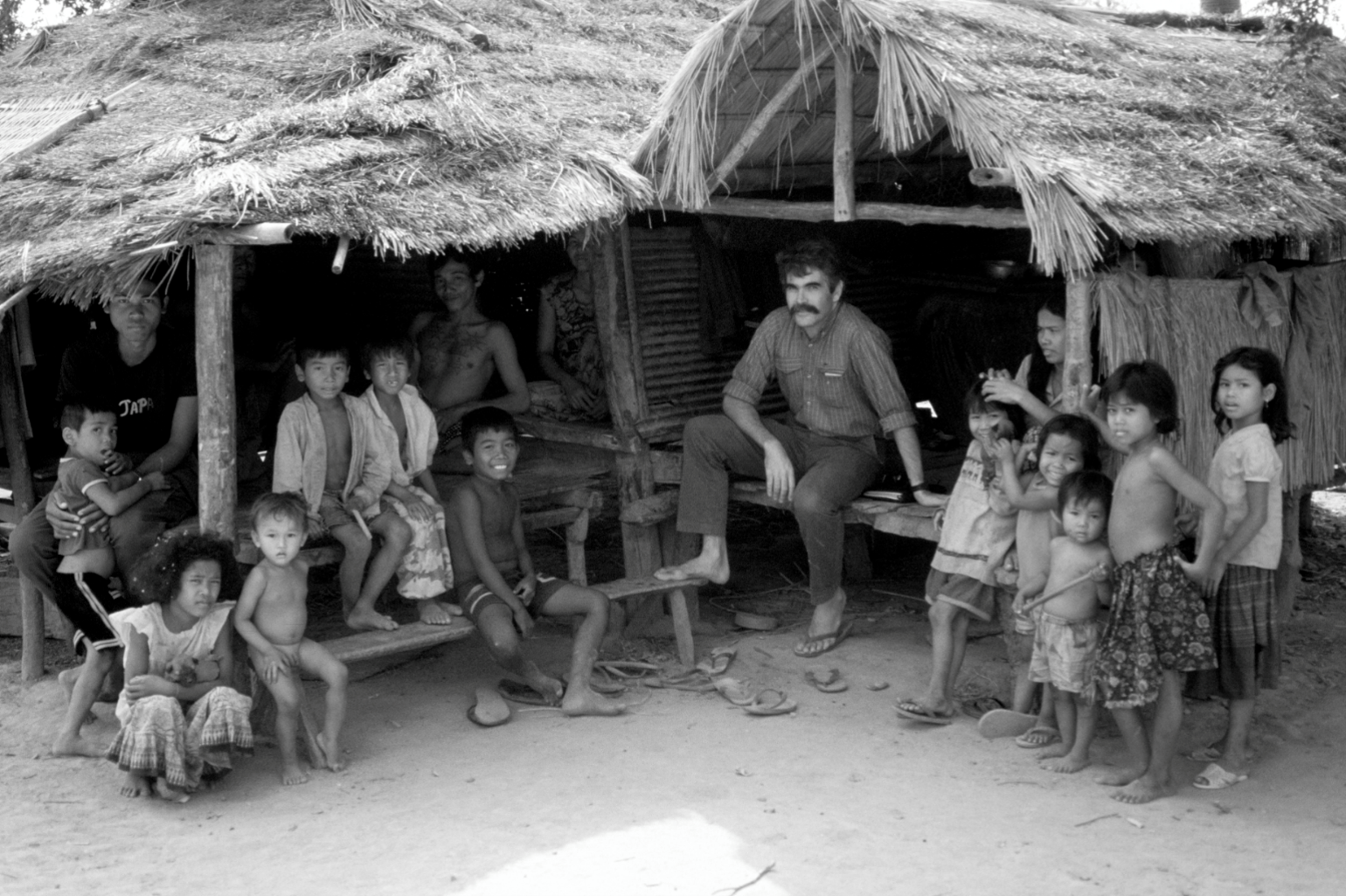
Dr Michael B Macdonald in Cambodia in 1992, while working with the World Health Organization.
What lessons can we learn from countries in the Asia-Pacific region that have demonstrated meaningful progress in the fight against dengue?
There are several good initiatives across the region other countries can learn from.
In Indonesia, the “One House One Jumantik” movement (Gerakan Satu Rumah Satu Jumantik / G1R1J) shifts responsibility for mosquito control from government-led responses alone toward community empowerment and decentralized action at the household level.
Several countries, including Singapore, Malaysia, Indonesia, and Thailand, have strengthened source reduction efforts through legislation and formal partnerships between the public and private sectors.
A key shift has been the move toward proactive, year-round vector control rather than relying primarily on emergency responses during outbreaks. This is becoming increasingly important as global warming is extending transmission seasons to almost a year-round event. In the past, some countries only mobilized significant action after hospitals and clinics became overwhelmed with patients, often resulting in delayed and insufficient responses.
There is increasingly strong multi-sectoral and international collaboration. At the recent Asia Dengue Summit in Singapore, supported by Asia Dengue Voice and Action, nearly 600 participants came together to strengthen efforts related to diagnostics, therapeutics, vaccines, vector control, community engagement and financing. In parallel, six regional and global organizations signed a memorandum of understanding to strengthen public education, advocacy, knowledge-sharing, and the exchange of outbreak experiences and best practices. These efforts reflect growing recognition that dengue requires coordinated action across countries, sectors, and disciplines.
Vector surveillance and control across the region varies largely across countries. Some countries such as Singapore and Malaysia have strong surveillance systems, while others rely on traditional approaches, originally developed for yellow fever control more than a century ago, which may be less effective for outbreaks.
When it comes to vector control efforts, some countries, especially Indonesia and Singapore have gained experience in the development and roll-out of Wolbachia-based strategies, providing valuable lessons on technical implementation, logistics, financing, community engagement, and integration with broader vector management programmes. There are also emerging approaches, including the use of spatial emanator and targeted residual spraying being trialed in several countries, which may offer additional opportunities for adaptation and scale-up. Finally, artificial intelligence is also opening new possibilities across the dengue response landscape.
Together, these experiences demonstrate that no single intervention is sufficient. Sustainable progress will require combining multiple interventions tailored to local contexts.