25Mar 26
This year’s Global Forum on Bioethics in Research (GFBR 2025) recently convened in Accra, Ghana. The event brought together researchers, policymakers, and ethicists from over 40 countries under the theme “Reimagining Research Partnerships: Equity, Power, and Resilience.”
Global health research partnerships are key for advancing scientific knowledge, technological innovation and improving health outcomes worldwide. Navigating these partnerships is a complex endeavor influenced by systemic inequities. The forum explored how to define and approach research partnerships as a global community and how to ensure fair and mutually beneficial sharing of the inputs, processes, outputs, and impacts of research endeavors. Through real-life case studies, presentations and group discussions, the forum focused on five main themes:
- What makes research partnerships good, and why?
- Responsibility and accountability in health research partnerships
- Ethics of research partnerships in humanitarian and emergency contexts
- Economics and politics: resilience in health research partnerships
- Futures: reimagining health research partnerships
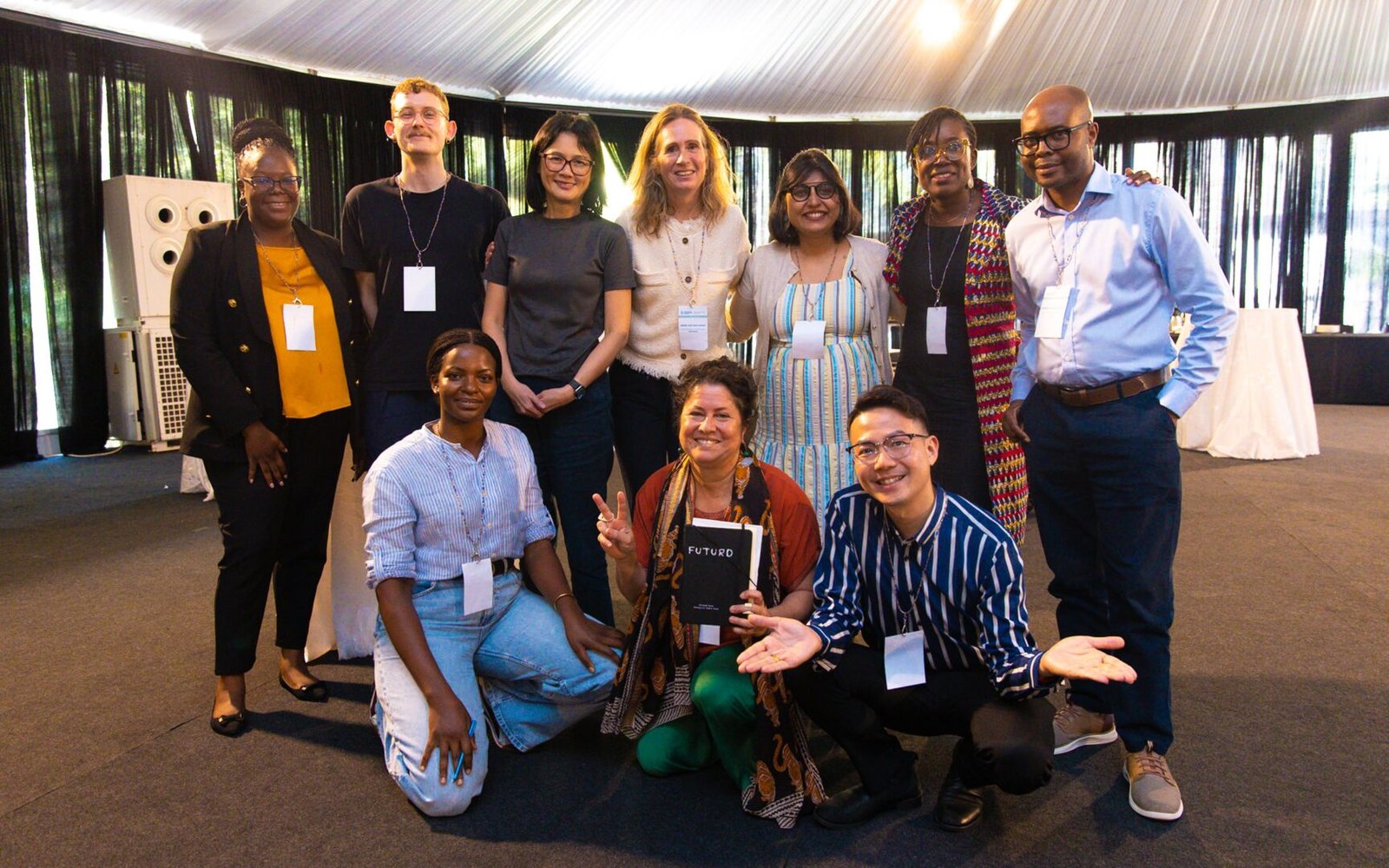
Felista Tarimo, Transmission Zero, Ifakara Health Institute, with Forum participants at GFBR 2025. Photograph: GFBR
Traditionally, discussions about inequities in research partnerships have centered on power imbalances, or structural inequality among those responsible for conducting research activities – such as researchers and research institutions – rather than on research participants and affected communities. This GFBR meeting sought to challenge such divisions and examine the relationship between different actors that have critical roles to play in the successful implementation of ethical and equitable research partnerships.
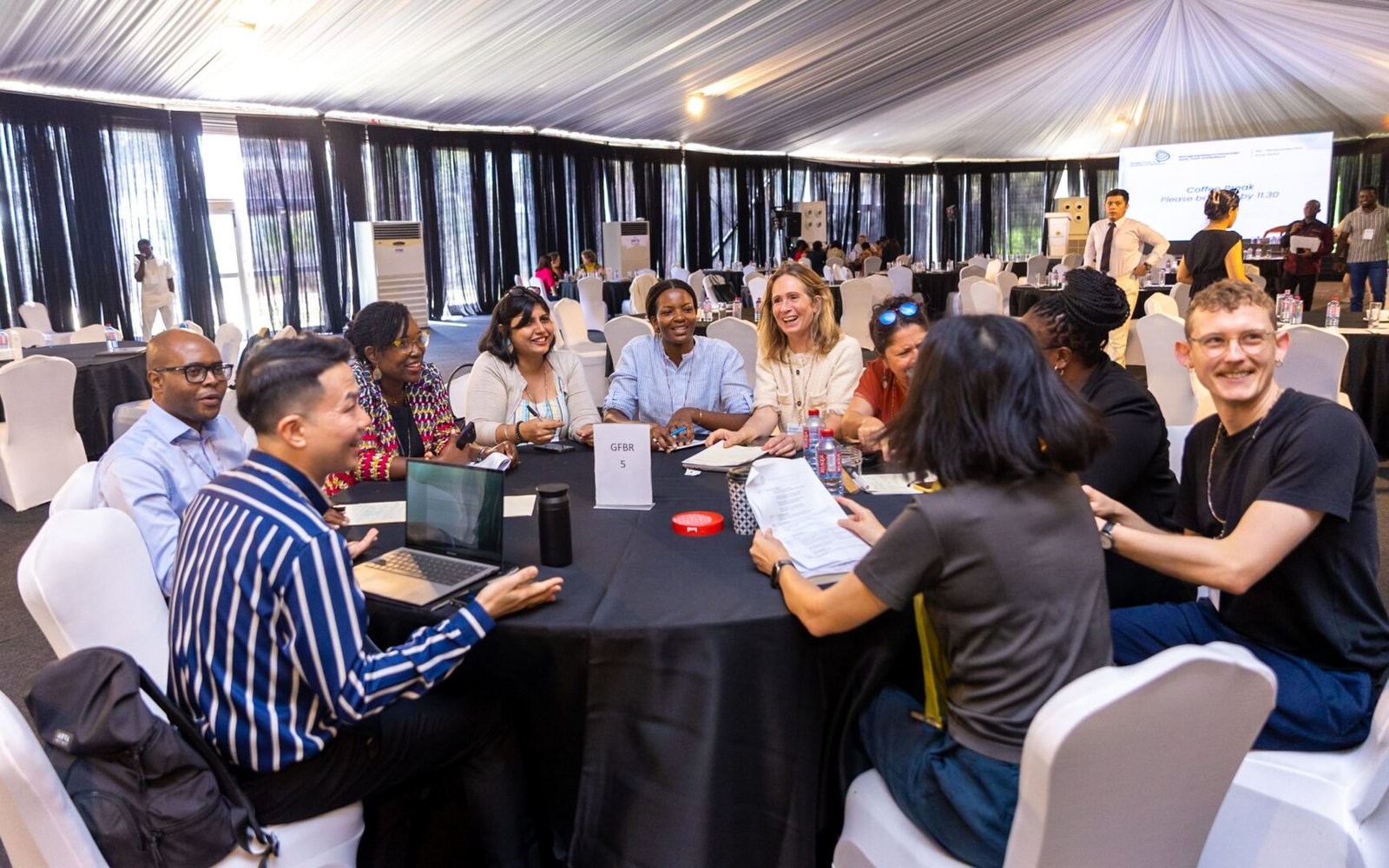
Felista Tarimo, Transmission Zero, Ifakara Health Institute, with Forum participants at GFBR 2025. Photograph: GFBR
At Transmission Zero, where I work as a Stakeholder Engagement Coordinator, we regularly engage with stakeholders from local communities to national authorities as part of our research to develop new genetic tools for malaria control. Part of my work involves actively engaging stakeholders from local communities to ensure they understand the technology and are equipped to make informed decisions. The World Health Organization (WHO) Guidance on the Ethics of vector-borne diseases dedicates a full section to community engagement and highlights that “good ethical decision-making requires a careful, inclusive and transparent deliberative process”. This is why one of the questions we regularly ask ourselves, for instance, is how we can better support meaningful and active community participation in our research efforts.
Attending the forum provided me with valuable new perspectives on research ethics and an opportunity to reflect on how partnerships are formed, how they function, and how they can be strengthened to ensure that research truly serves those it intends to help. The discussions not only deepened my understanding of global ethical issues but also connected strongly to my own work, reminding me that ethical health research is, at its core, about people and relationships.
When we prioritize practices such as meaningful community engagement, transparent communication, accountability, and empowering local communities, we create the conditions for research to be both ethical and impactful.