24Mar 26
Celebrated on March 20 every year, International Francophonie Day presents us with the opportunity to shed light on the heavy burden malaria continues to place on countries across francophone Africa. According to the latest World Malaria Report, the WHO African Region accounted for 94% of global malaria cases and 95% of deaths, with francophone countries bearing a significant share of this burden.
About 512 million people are at risk of malaria in francophone countries. West Africa, which is predominately francophone, is disproportionately affected by the disease, and accounts for half of the global burden. Approximately two thirds of global malaria cases and deaths are concentrated in 11 African countries, including francophone countries Burkina Faso, the Democratic Republic of Congo, Niger, Mali, and Cameroon, where I live and work. In 2024, the WHO estimated over 7.5 million malaria cases in Cameroon alone.
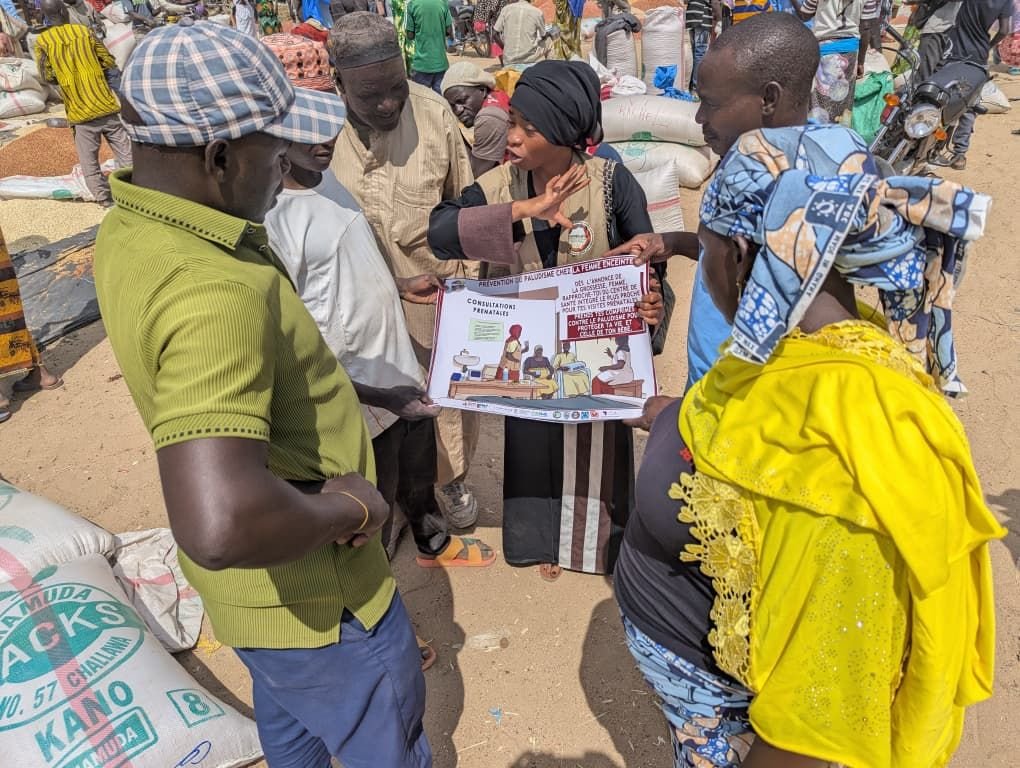
Hadja Djamilatou, a young activist and member of the civil society organization AJERED-MT, involved in the Mokolo Health District in Cameroon through the Equité Accès Palu initiative. Photograph: Impact Santé Afrique
In Cameroon and beyond, progress against malaria is increasingly threatened by several challenges, including growing insecticide and drug resistance, climate change, conflict and humanitarian crises, as well as persistent inequities that limit access to quality prevention and care for those most at risk. Compounding these threats, malaria funding fell short of global targets in 2024, putting decades of progress at risk. Of the US$9.3 billion target set by the WHO Global Malaria Strategy, only US$3.9 billion was invested in the global malaria response. African leaders have warned that if a 30% funding cut persists, the continent could face 146 million additional malaria cases, 397,000 additional deaths, and US$37 billion in GDP losses by 2030.
In November 2025, the Global Fund and 15 Francophone African countries met in Dakar to discuss pathways to work on strengthening the transparency, effectiveness, and sustainability of investments in the health sector. Coming at a crucial time when countries in Francophone Africa must reconcile reduced external funding, limited national budgets and the imperative of financial sovereignty, the meeting led to the adoption of national roadmaps to help countries move toward stronger and more sustainable health systems.
At Impact Santé Afrique, we are working to ensure that malaria is fought through a multi-sectoral approach, with the meaningful engagement of communities, civil society and decision makers. As challenges in the fight against malaria evolve, we continue to respond with determination by mobilizing political will, empowering communities, and strengthening the role of civil society in shaping public health policies.
One of the initiatives we launched with partners last year in Cameroon is Équité Accès Palu (EAP) – a project which aims to enhance community involvement in the fight against malaria, by setting up malaria control committees in four health districts. The mission of these committees will be to ensure that actions to fight the disease are sustained and that the most vulnerable populations can access the health services they need.
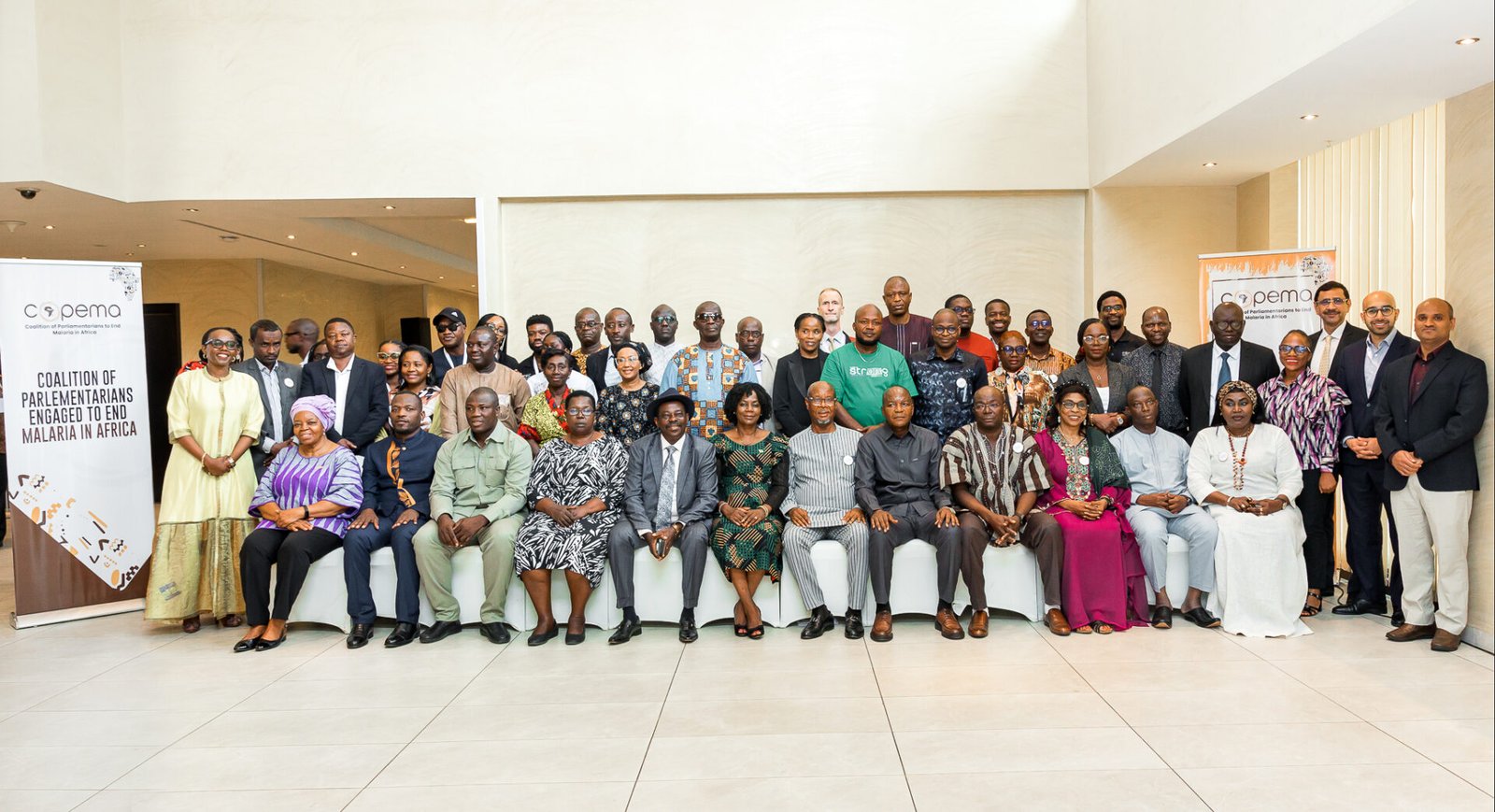
First Regional Strategic Meeting and Launch of the Coalition of Parliamentarians Engaged to End Malaria in Africa (COPEMA), in Accra, Ghana. Photograph: Impact Santé Afrique
We also launched the Coalition of Parliamentarians Engaged to End Malaria in Africa (COPEMA), to unify efforts to protect the health and future of African communities. Its objectives include collaboration among parliamentarians, promotion of national anti-malaria legislation and policies, adoption of multisectoral approaches, intensifying advocacy for the mobilization of national resources, and improving budget monitoring of interventions, as well as monitoring commitments made in the Yaoundé Declaration. Signed in March 2024, the Declaration brought together the Ministers of Health of 11 African countries most affected by malaria – including francophone countries Burkina Faso, Cameroon, the Democratic Republic of Congo, Mali, and Niger – to declare their unwavering commitment to the accelerated reduction of malaria mortality in Africa.
Inaction is no longer an option. To fight malaria across francophone Africa and beyond, we need coordinated action and cross-sectoral collaboration between ministries, researchers, local authorities, the private sector, and communities. We also need stronger and more equitable health systems, expanded access to quality interventions such as vaccines and vector control tools, greater funding, and new tools, while recognizing the central role communities must play to ensure their successful implementation and uptake.