
19Nov 26
Our new study published in Nature Medicine highlights how climate change threatens decades of progress towards malaria elimination in the Asia Pacific and why new approaches are urgently needed to protect vulnerable populations.
Together with contributions from researchers, policymakers and national malaria control programmes across the region, we led a study examining how climate change is reshaping malaria risks through extreme weather events, population displacement and environmental change.
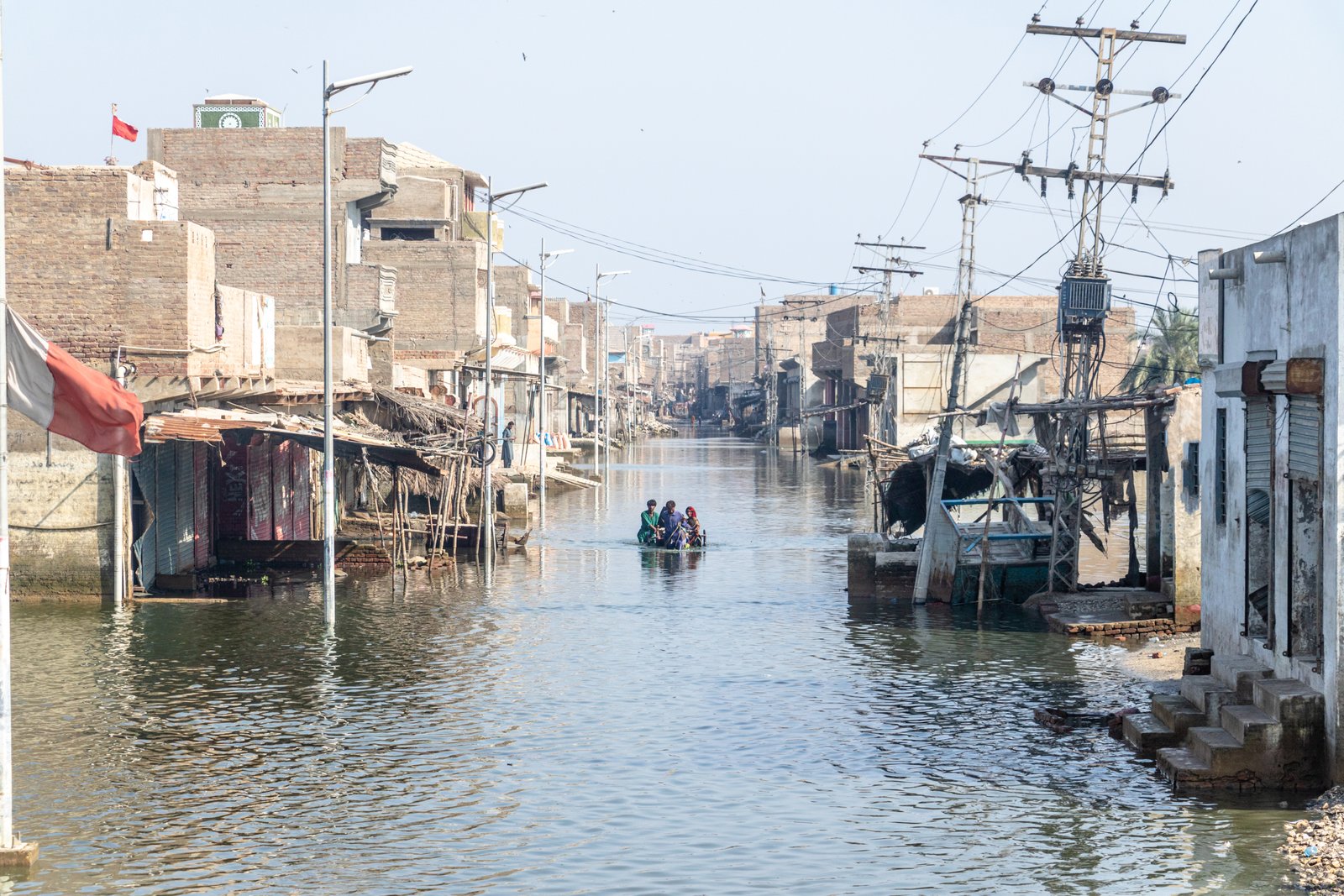
Although many countries in the Asia Pacific have made substantial progress towards eliminating malaria, recent outbreaks highlight the threat climate change poses to these achievements. Between 2021 and 2024, reported malaria cases across the region increased by 132%, from 1.95 million to 4.52 million, including a major resurgence following devastating floods in Pakistan.
Climate change is affecting malaria in unexpected ways
Research on climate change and malaria has traditionally focused on how rising temperatures and changing rainfall patterns influence mosquito populations and expand areas suitable for transmission. However, these gradual environmental changes tell only part of the story. Extreme weather events, including floods, cyclones, droughts and heatwaves, can disrupt healthcare services, displace communities and interrupt essential malaria prevention activities. These cascading impacts can trigger major outbreaks, even in areas where malaria has previously been brought under control.
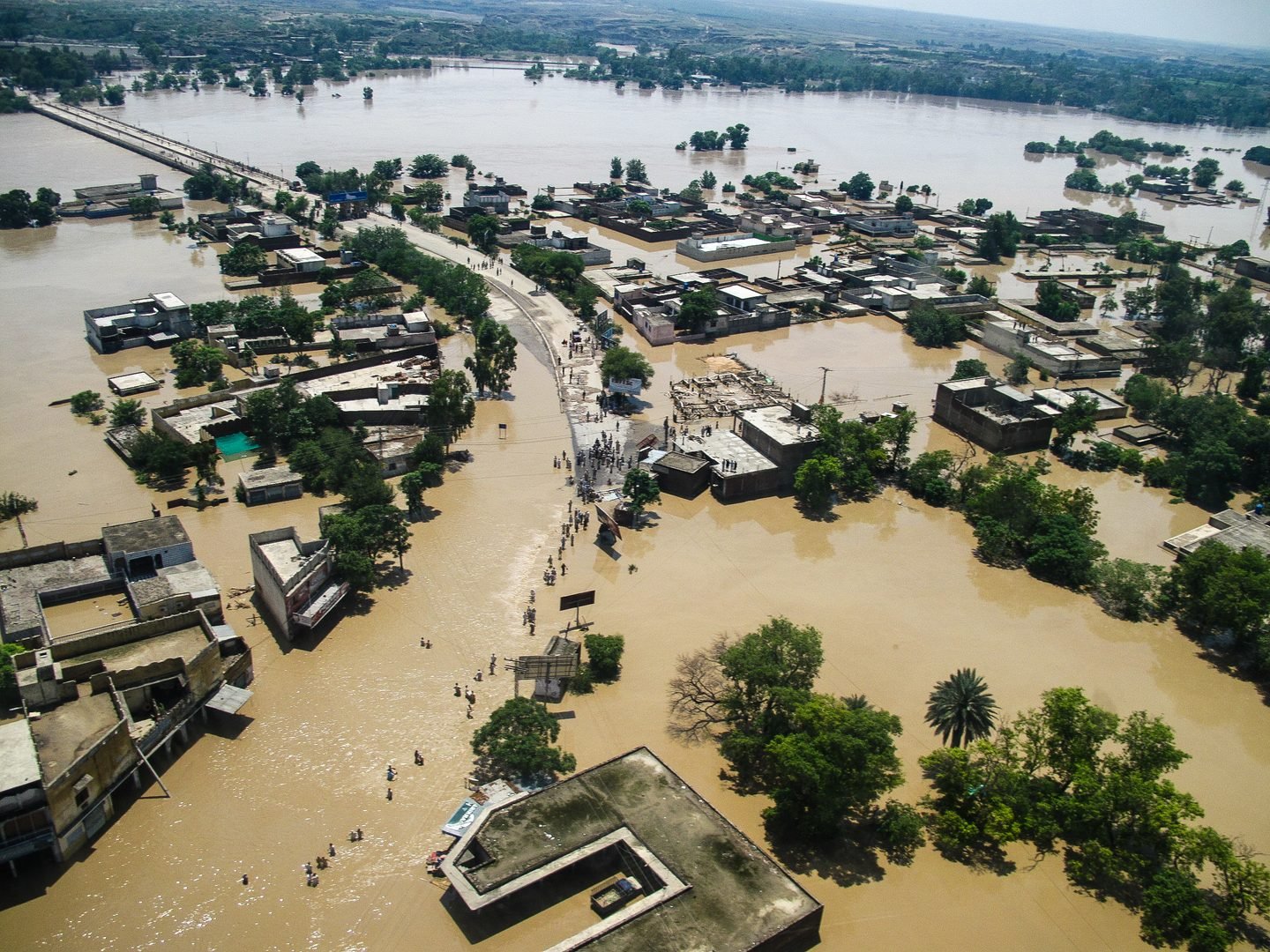
The devastating 2022 floods in Pakistan illustrate these challenges. Affecting approximately 33 million people and displacing nearly eight million, the floods damaged roads and healthcare infrastructure, disrupted mosquito control programmes and limited access to diagnosis and treatment. Reported malaria cases subsequently increased from approximately 376,000 in 2021 to more than 2.7 million in 2023.
Climate change can also influence malaria through changes in human behaviour and livelihoods. Rising temperatures may encourage agricultural workers to work outdoors during evening hours when malaria mosquitoes are active, while extreme weather can force communities into temporary settlements where conventional mosquito control measures are difficult to implement.
Changing landscapes create new challenges
The study also highlights the complex connections between climate change, deforestation and emerging infectious diseases. Across Southeast Asia, changing land use and forest fragmentation are altering interactions between people, wildlife and mosquitoes. These changes are particularly important for zoonotic malaria, including Plasmodium knowlesi, a parasite transmitted from macaques to humans by mosquitoes.
Now responsible for thousands of human malaria cases annually across Southeast Asia, particularly in Malaysian Borneo, P. knowlesi presents a growing challenge to malaria elimination. Climate-driven droughts, forest fires and ecosystem changes may further influence these risks, demonstrating why malaria surveillance must look beyond weather conditions to consider broader environmental change.
Building climate-resilient malaria control programmes
Despite growing recognition of climate-related health risks, the study identifies major gaps in existing national malaria elimination and climate adaptation strategies. While many countries have established climate and health adaptation policies, there are still needs to address the most urgent impacts of climate change on malaria in this region.
Drawing on an assessment of policy documents from 22 Asia-Pacific countries, the authors identify five priorities for strengthening malaria control in a changing climate:
- Integrate malaria control into disaster response, ensuring that surveillance, diagnosis, treatment and mosquito control can continue following extreme weather events.
- Adapt mosquito control for displaced populations, including people living in temporary shelters and mobile communities.
- Strengthen cross-border cooperation, improving the sharing of climate and health information to identify emerging risks.
- Link early warning systems to early action, ensuring that forecasts trigger timely interventions supported by dedicated funding.
- Integrate environmental monitoring into disease surveillance, using information on deforestation, land use and ecosystem change to better understand emerging malaria risks.
The study also identifies opportunities to build on existing regional investments in digital surveillance, climate adaptation policies and community health networks. These provide an important foundation for developing more integrated and responsive malaria control programmes.
As climate change intensifies, protecting progress towards malaria elimination will require more than predicting where mosquitoes might spread. It will mean building health systems that can withstand extreme weather, supporting vulnerable communities and recognising the interconnected relationships between climate, ecosystems and human health.
By bringing together expertise from public health, climate science, environmental management and national malaria programmes, the study provides a roadmap for protecting malaria elimination achievements in an increasingly uncertain climate.
Read the paper here: https://rdcu.be/XV4x9NgPoZCa
