
15Sep 26
As the Outreach Network for Gene Drive Research marks World Malaria Day under the theme “Local Leadership, Global Partnerships: Together Against Malaria”, we are reminded that malaria remains one of the world’s most widespread infectious diseases. Despite decades of efforts, the disease continues to claim hundreds of thousands of lives each year, most of them in sub‑Saharan Africa.
In 2024, there were an estimated 282 million malaria cases and 610 000 deaths worldwide, with the WHO African Region alone accounting for about 95% of global cases and deaths, most of which are children under the age of five. Mali, where the African Center for Excellence in Molecular Engineering (ACEME) is based, is among 11 African countries that together account for around two‑thirds of global malaria cases and deaths.
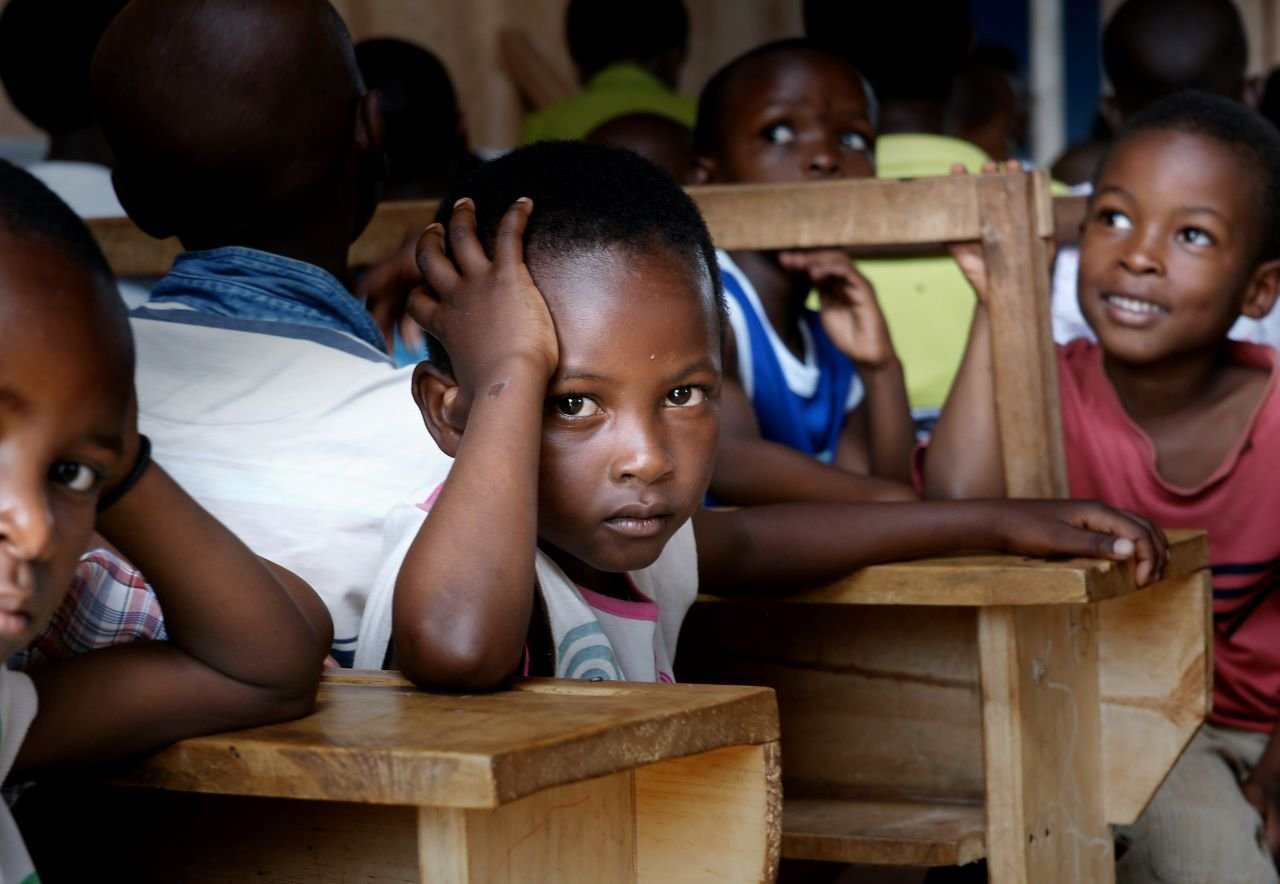
In the face of mounting challenges – from growing resistance to existing tools and funding shortfalls, to shifting transmission patterns driven by climate change – we need to continually adapt our response to malaria and work to develop new interventions.
Genetic approaches to vector control are a promising innovation being explored, which has the potential to work alongside existing interventions to help reduce transmission of malaria and other vector-borne diseases. To date though, a consistent share of the research and development of these innovative tools has taken place outside of African institutions, despite the continent bearing the biggest disease burden. ACEME was created in this context: to establish a research center and training platform able to place African scientists at the forefront of developing innovative approaches to fight vector-borne diseases, such as malaria.
Establishing our Center for Excellence in Bamako, Mali
ACEME aims to address a regional need for advanced technical expertise and infrastructural capacity in molecular engineering. Our team, based at the University of Sciences, Techniques and Technologies of Bamako (USTTB), is working to establish a research and training platform to support global efforts to develop innovative approaches for vector control. The center will provide a setting for African scientists to learn and develop advanced skills in genetic engineering, including those linked to the development of genetically modified mosquitoes. Over the coming years, we aim to become a place where African researchers can gain the knowledge and experience needed to lead the development of new approaches for vector control from within the African region.
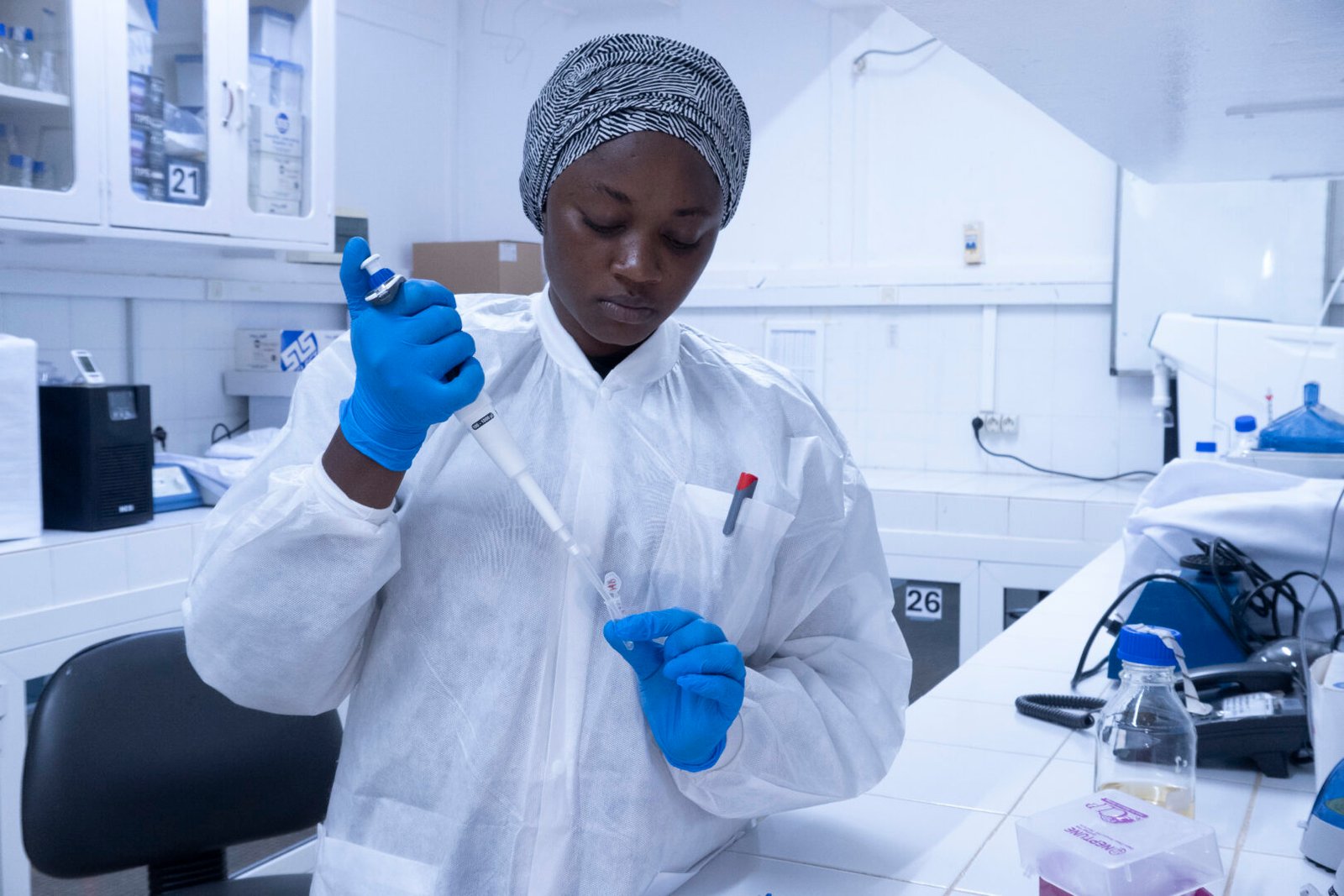
Researcher working in the laboratory at the University of Sciences, Techniques and Technologies in Bamako, Mali. Photograph: ACEME
Our laboratory at the University of Sciences, Techniques and Technologies (USTTB) in Bamako has been set up to meet Arthropod Containment Level 2 (ACL2) standards, a demanding certification that guarantees our compliance with international standards for work in containment with genetically modified organisms. The facility is also equipped with state-of-the-art instrumentation and molecular tools, enabling high‑quality research and supporting the long‑term development of local capacity in molecular engineering.
From Bamako to Keele and back
In preparation for the launch of our center, we have also been working to strengthen our local team’s expertise. Through a capacity‑building partnership with Keele University in the United Kingdom, we have been strengthening our skills in vector biology and molecular genetics and laying the foundations for a training offer that we hope will eventually benefit researchers from across the African region. As part of this collaboration, members of our team have been receiving hands‑on training in genetic engineering techniques, including the design and testing of genetic constructs and the development of genetically modified mosquitoes as potential tools for vector control.
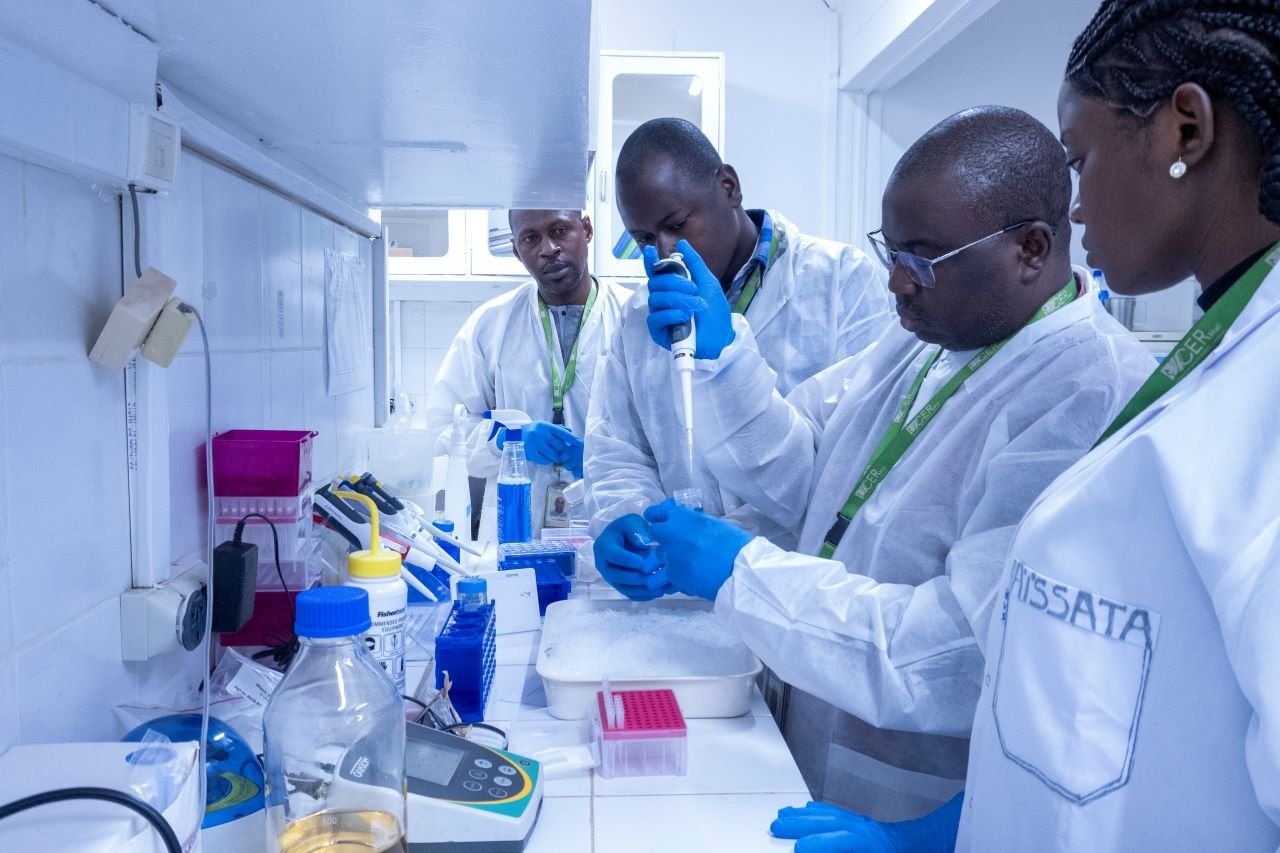
Researchers at work in the laboratory at the University of Sciences, Techniques and Technologies in Bamako, Mali. Photograph: ACEME
In 2024, following approval from the relevant authorities, we imported a non‑genetically modified laboratory strain of mosquitoes called “G3” from Keele University and began working with it in an insectary designed to meet international and national containment standards. The ACEME team independently designed and assembled molecular constructs carrying fluorescent markers and is currently inserting them into the genome of the mosquitoes. All activities are being conducted entirely within the ACL2‑compliant laboratory at USTTB and are focused on building the technical expertise, operational systems, and research culture that will underpin future studies and training programmes in genetic approaches for vector‑borne disease control.
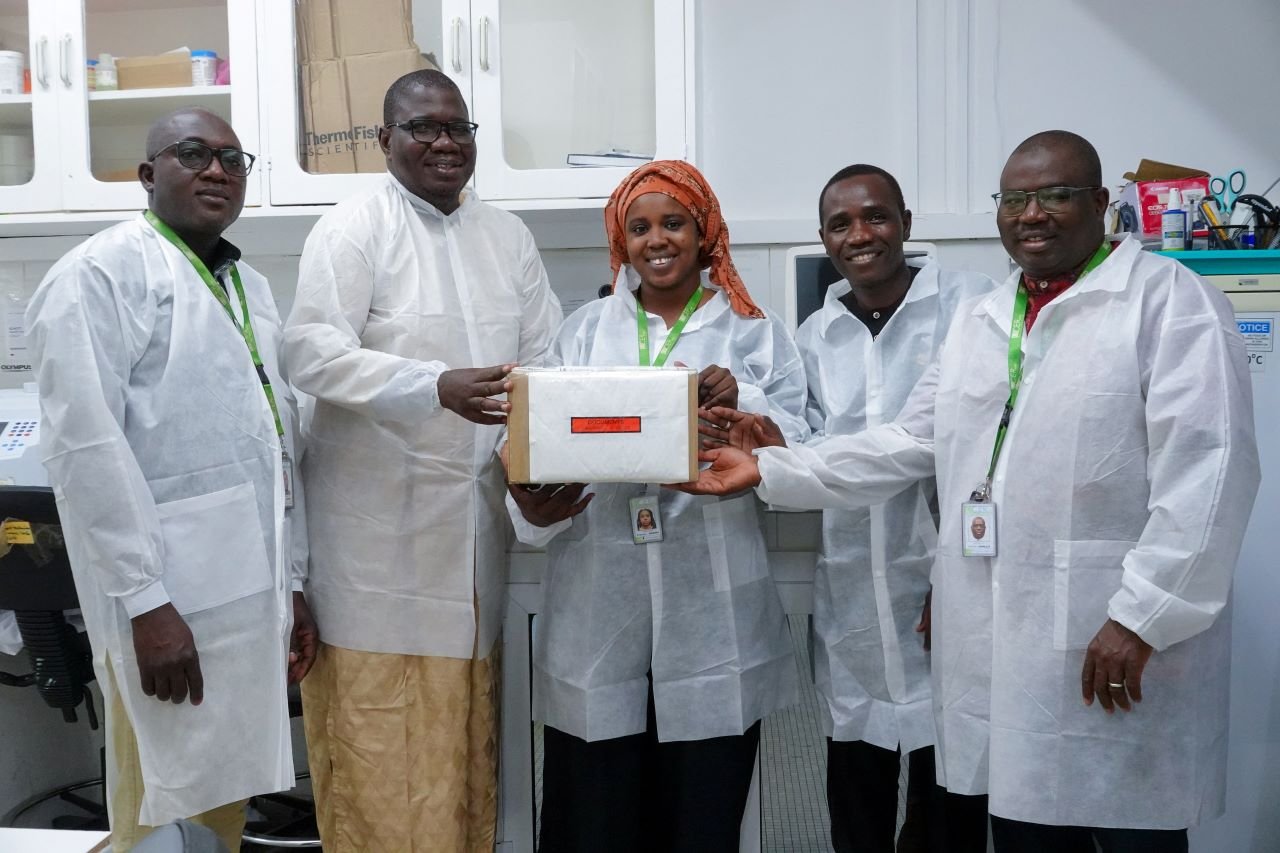
Researchers from the ACEME team receive the strain of “G3” mosquitoes from Keele University. Photograph: ACEME
Lakamy Sylla, co-investigator at ACEME, is pursuing a PhD in entomology at Keele University focused on the genetic manipulation of reproductive genes in Anopheles gambiae, one of the main malaria vectors in sub‑Saharan Africa. This involves combining computational design of genetic constructs with laboratory experiments in the UK and Bamako and feeding the lessons learned back into ACEME’s work. Most members of our core scientific team are also undertaking PhDs or other advanced training, and as ACEME grows we plan to expand this cohort and host visiting researchers and short courses for colleagues from across the continent.
Connecting research, policy and communities
Malaria and other vector‑borne diseases in Africa cut across sectors: they affect health systems, education, livelihoods and the environment. Addressing them requires coordination between researchers, public health authorities, regulators, communities and international partners.
Centers like ACEME contribute to this collaborative effort by strengthening skills, infrastructure and networks around the development of new approaches to fight vector-borne diseases. As well as sharing information about our work with Mali’s National Malaria Control Program, regulatory authorities and civil society organizations, we take part in regional and global discussions on vector‑borne diseases and genetic biocontrol, helping to bring African research perspectives into debates on how future tools might fit within national and continental strategies.
By investing in African scientists, strengthening partnerships and showing up in spaces for discussion across the continent and beyond, ACEME is working to ensure that future malaria tools are researched and developed with African priorities at their core.
